
Back pain, neck tension, or muscular discomfort in everyday life — many people eventually ask themselves the same question:
Should I get a massage, or do I need physiotherapy?
Both can help with discomfort. However, massage and physiotherapy have different goals and work in different ways. Which treatment is appropriate mainly depends on the underlying cause of the pain. This guide explains the key differences and helps you decide what is truly suitable for your condition.
Important to know: Many musculoskeletal complaints are not caused by an acute injury, but by functional changes in the body. These include muscular imbalances, restricted mobility, one-sided physical strain, or insufficient joint stability.
Such functional problems can cause pain even when no structural damage is present. This is exactly why it is important not only to relieve the symptoms, but also to identify the underlying cause. Whether massage or physiotherapy is the right choice therefore depends largely on what is actually triggering the symptoms.
What Is a Massage?
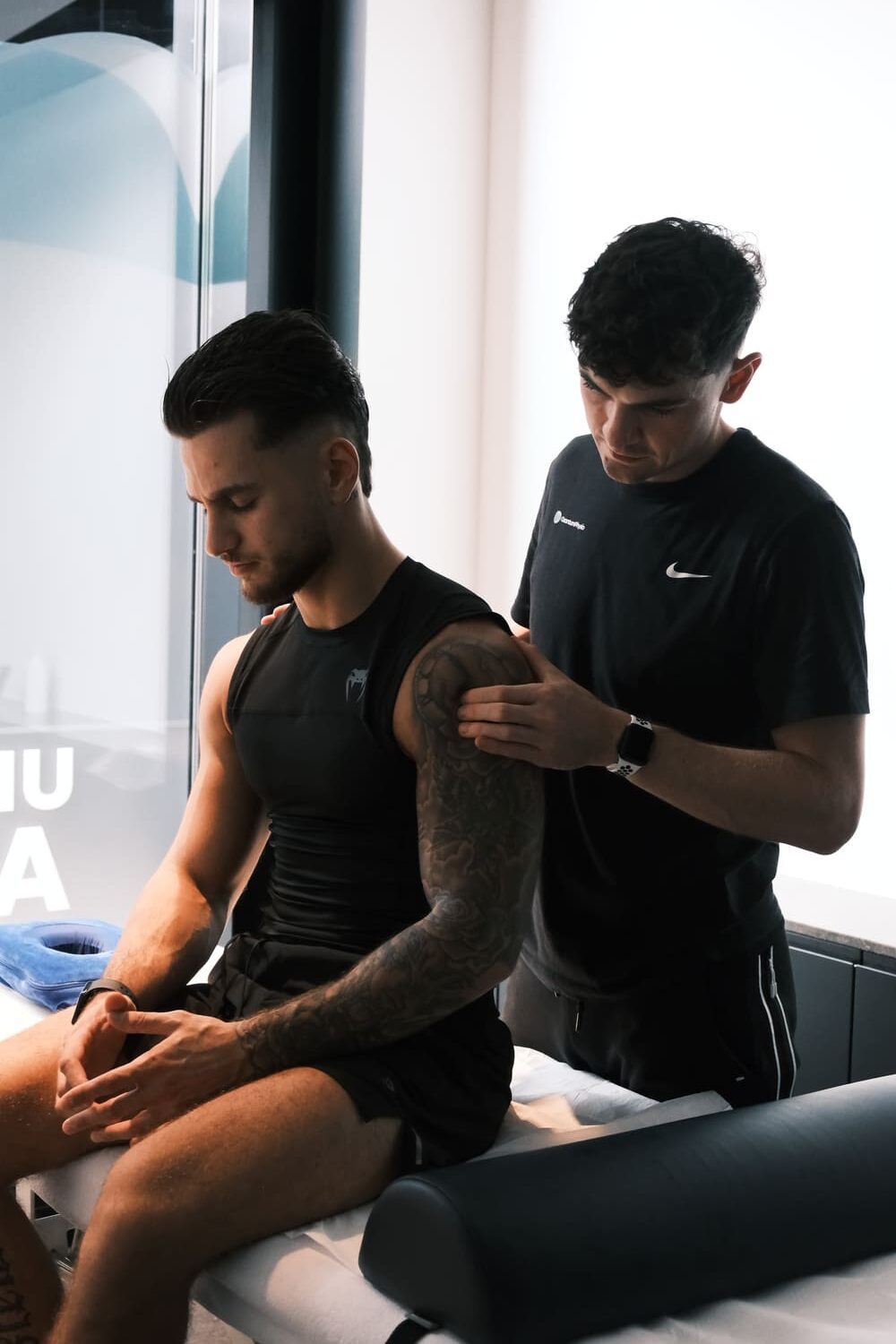
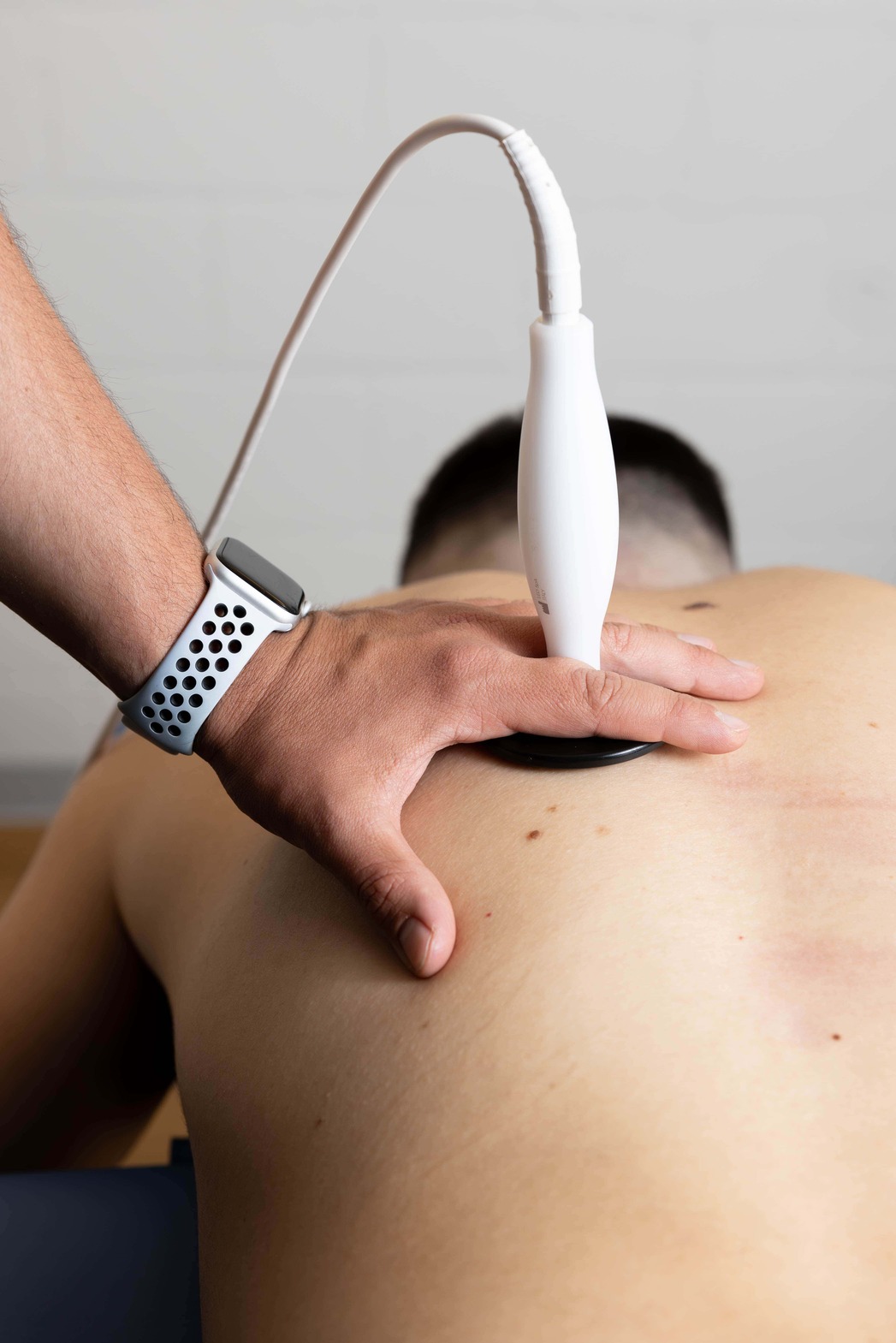
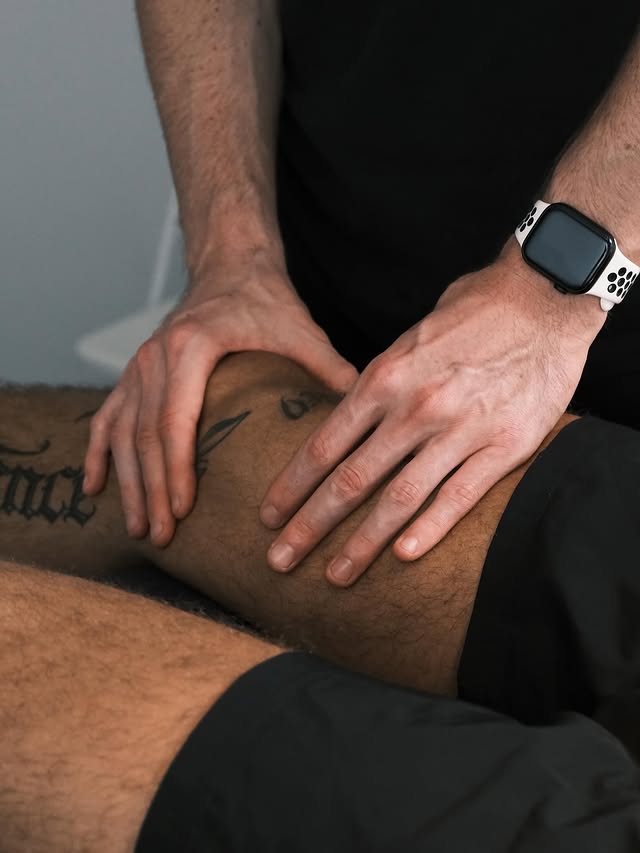
A massage is a manual treatment of the muscles and connective tissue. Through targeted pressure and manipulation techniques, muscle tension is released, blood circulation is improved, and the muscles relax.
Typical effects of a massage include:
- Relaxation of tense muscles
- Short-term pain relief
- Improved blood circulation
- Relaxation of the nervous system
- Stress reduction
Massages primarily provide symptom relief. They address tension in the tissue, but do not necessarily treat the underlying cause of the problem.
What Is Physiotherapy?
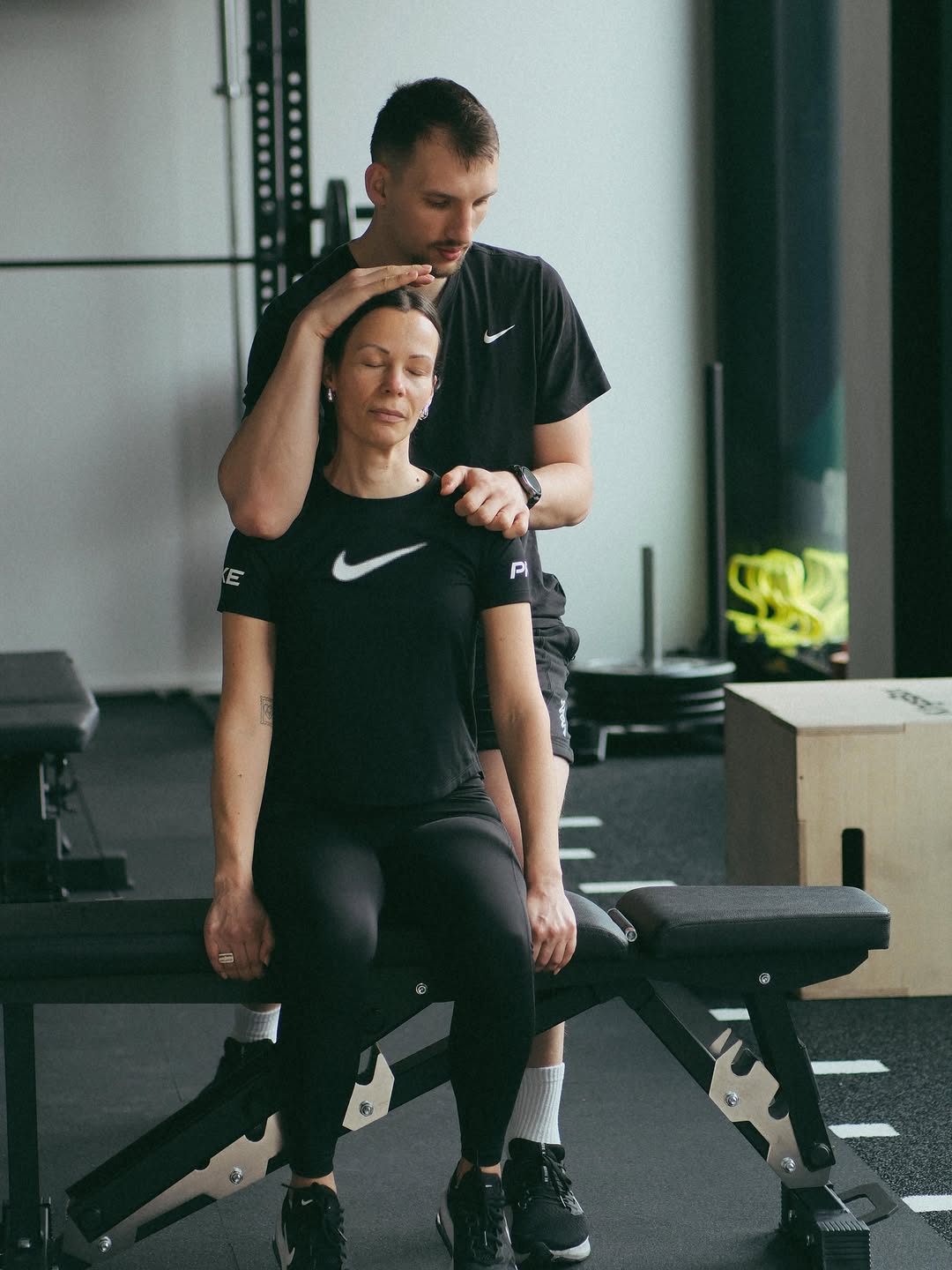
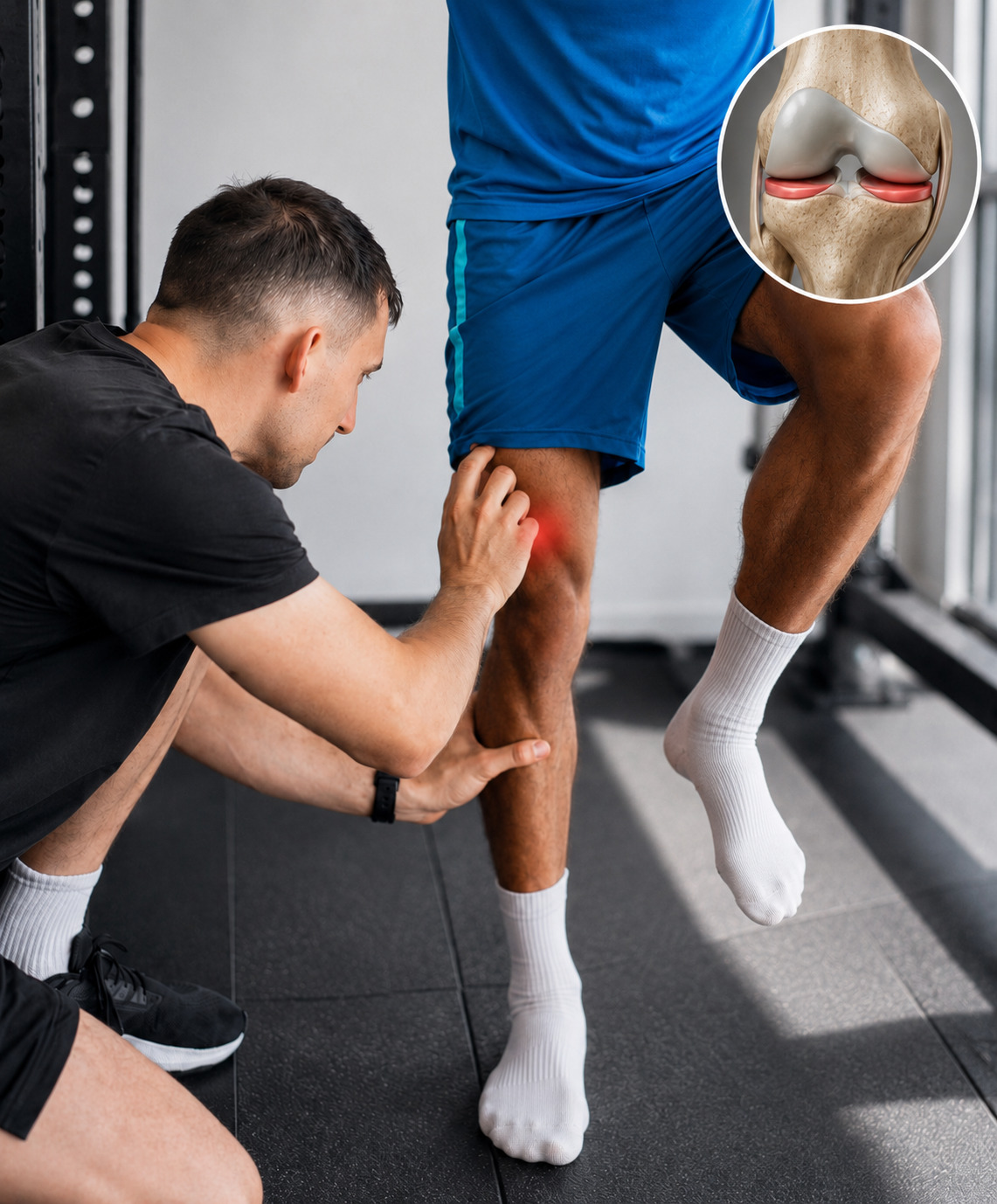
Physiotherapy is a medical treatment aimed at reducing pain and addressing the physical cause of symptoms.
In addition to manual techniques, it primarily includes active therapy approaches such as:
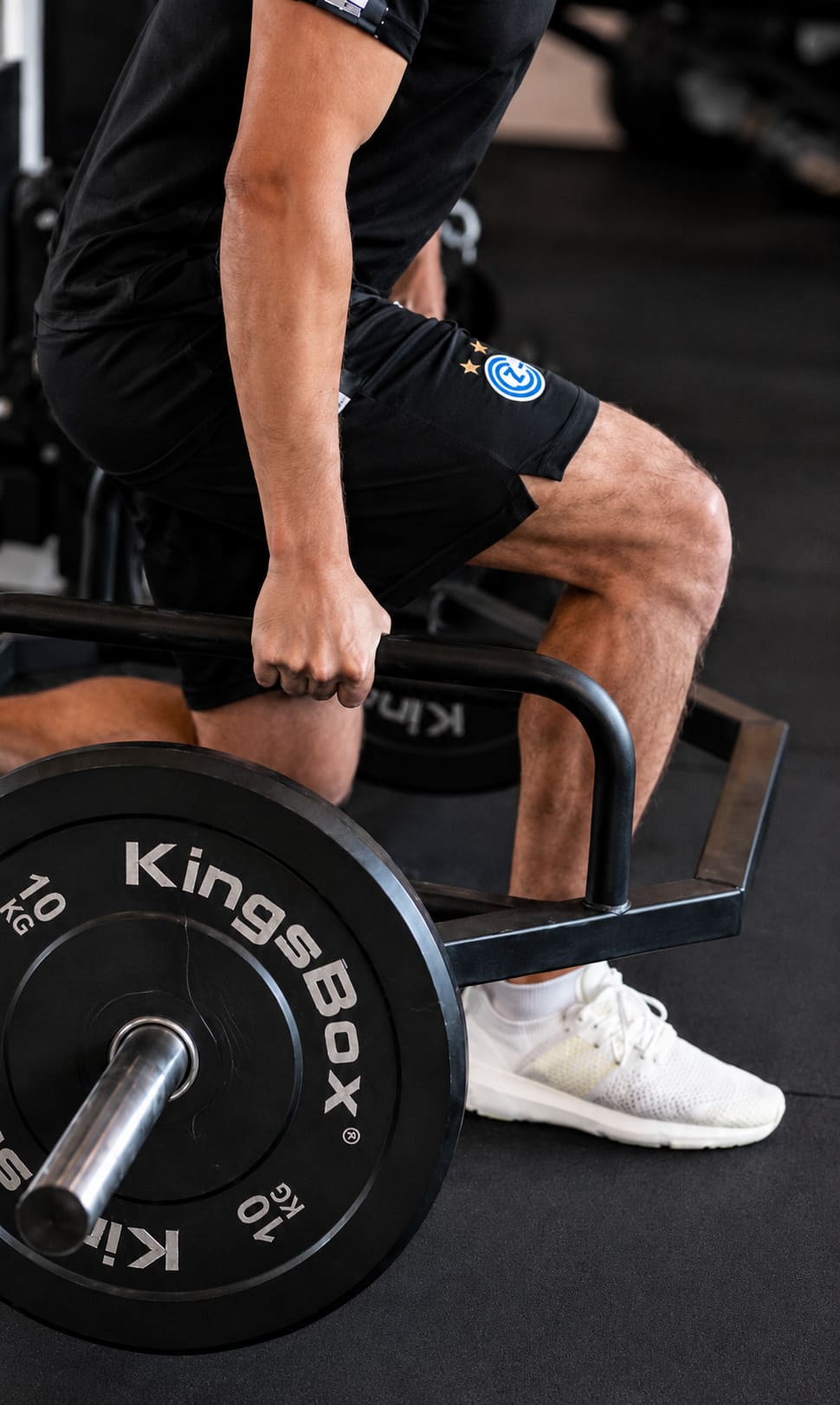
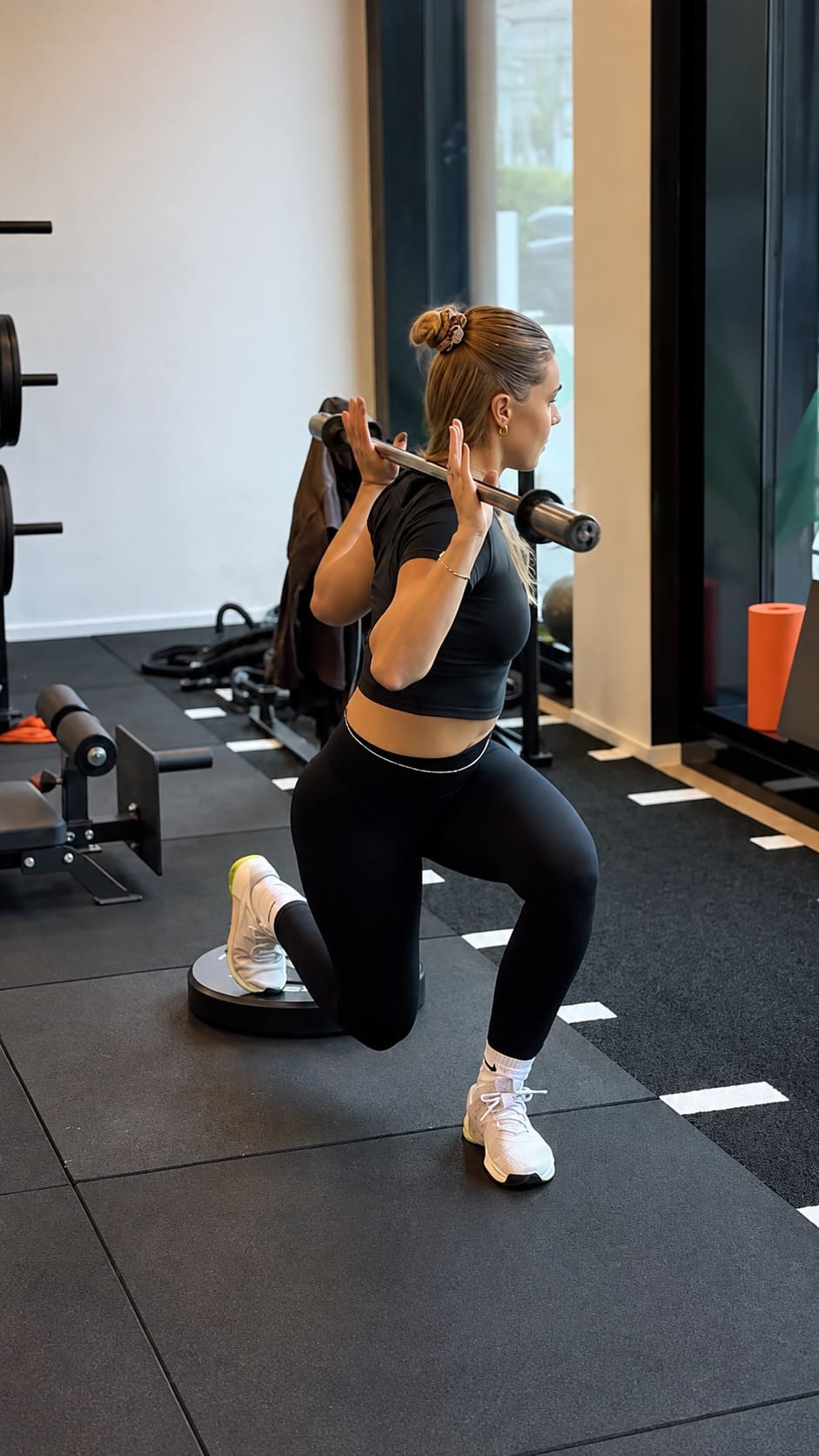
- Functional training
- Movement exercises
- Stability development
- Posture correction
- Rehabilitation after injuries or surgery
The goal of physiotherapy is not just relaxation, but long-term improvement of movement, function, and physical resilience. Modern physiotherapy is based on scientific evidence from movement and exercise medicine, with the aim of achieving lasting improvements in function, load capacity, and pain relief.
Physiotherapy or Massage: The Difference
Massage → relaxes muscles and relieves symptoms
Physiotherapy → treats the underlying cause and improves function
A massage usually provides short-term relief and relaxation. Physiotherapy focuses on preventing symptoms from returning in the long term.
Decision guide:
If symptoms mainly present as muscle tension → a massage can help.
If pain keeps returning or limits movement → physiotherapy is recommended.
When a Massage Is Appropriate
Massages are particularly suitable for:
- Muscle tension caused by stress
- Short-term physical overload
- General muscle fatigue
- The need for relaxation
- Mild tension-related pain
If symptoms are mainly caused by muscle tension and there is no functional limitation, a massage may be sufficient.
When Physiotherapy Is the Better Choice
Physiotherapy is recommended for:
- Recurring pain
- Limited mobility
- Joint problems
- Sports injuries
- Symptoms after surgery
- Chronic pain
- Postural problems
- Instability or muscle weakness
If pain persists or interferes with daily life, the underlying cause should be specifically assessed.
Can Massage Solve Pain Permanently?
In many cases, only temporarily.
Muscle tension often develops due to:
- Poor movement patterns
- Lack of stability
- One-sided physical strain
- Insufficient muscle strength
If these causes remain, symptoms often return — even after repeated massages.
This is where physiotherapy comes in, by addressing the underlying functional problems.
Pain is rarely caused solely by muscle tension. More often, it results from impaired movement, insufficient stability, or recurring improper strain in daily life or during sports. A massage can relax the muscles and reduce discomfort in the short term. However, for pain to disappear in the long term, the underlying functional causes must also be specifically addressed and improved.
Sustainable relief from symptoms is usually achieved through a combination of muscle relaxation and the active development of stability, movement quality, and physical resilience.
Combining Massage and Physiotherapy
When it comes to physiotherapy or massage, combining both methods is often beneficial.
A massage can:
- Reduce pain in the short term
- Prepare the muscles
- Make movement easier
Physiotherapy can then:
- Build stability
- Correct movement patterns
- Restore long-term physical resilience
This combination often leads to the best results.
What Does Health Insurance Cover in Switzerland?
If medically necessary and prescribed by a doctor, physiotherapy is generally covered by basic health insurance.
Massages without a medical indication are usually self-paid or partially reimbursed through supplementary insurance plans.
Frequently Asked Questions
Can physiotherapy also be relaxing?
Yes. Physiotherapy also includes manual techniques that relax muscles and reduce pain.
Is massage part of physiotherapy?
In many cases, yes. Manual treatment can be a component of physiotherapy.
Which works faster?
Massage often provides immediate relaxation. Physiotherapy delivers more sustainable results.
Can I try a massage first?
For mild muscle tension, yes. If symptoms keep returning, the underlying cause should be assessed.
Physiotherapy or Massage: What Is Better for Pain?
Massage and physiotherapy serve different purposes. Massage relaxes the muscles and provides short-term relief. Physiotherapy treats the underlying cause and promotes long-term stability. For persistent, recurring, or functional complaints, physiotherapy is usually the more sustainable solution.
If pain lasts for a longer time or keeps returning, a professional assessment is worthwhile. Targeted treatment helps identify the cause and makes the body resilient in the long term.