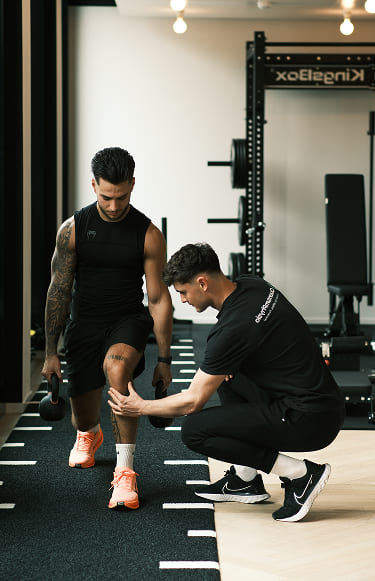

Sport places significant demands on the body — whether in professional, club, or recreational athletics. Intense physical loads, repetitive movement patterns, and high training frequency also increase the risk of injuries and overuse problems. Sports physiotherapy not only supports rehabilitation after an injury, but also plays a crucial role in prevention, performance enhancement, and long-term physical resilience.
In Zurich Altstetten, athletes benefit from modern diagnostics, evidence-based therapy, and individually tailored training — enabling a safe return to sport and sustainable performance.
What Is Sports Physiotherapy?
Sports physiotherapy is a specialised field of physiotherapy that focuses specifically on sport-related conditions, injuries, and performance demands.
The main focus areas include:
- Treatment of acute sports injuries
- Rehabilitation after surgery
- Functional restoration of movement
- Sport-specific performance development
- Injury prevention
- Optimisation of movement patterns
Sports physiotherapy combines medical treatment with exercise science and modern performance diagnostics.
Sports physiotherapy differs from general physiotherapy primarily through its performance-oriented approach. The goal is not only to achieve pain-free movement in everyday life, but to restore safe and full physical capacity for sport. Treatment is therefore always aligned with the specific demands of the individual sport. Movement patterns, training intensity, and training structure are carefully analysed and integrated into the therapy process.
Who Can Benefit from Sports Physiotherapy?
Sports physiotherapy is suitable for:
- Professional athletes
- Ambitious recreational athletes
- People with regular physical strain
- Individuals recovering from injury or surgery
- Athletes with recurring complaints
- Anyone who wants to prevent injuries
In short: whenever movement is performance-driven or regularly physically demanding.
Common Sports Injuries
Typical conditions include:
- Muscle strains and muscle tears
- Ligament injuries (e.g. ankle, knee)
- Tendinopathies (Achilles tendon, patellar tendon, etc.)
- Overuse injuries caused by repetitive strain
- Joint instability
- Shoulder problems in overhead sports
- Complaints following ACL or meniscus surgery
Early treatment helps prevent chronic problems and loss of performance.
Sport-Specific Physical Demands
Each sport places different demands on the body.
Typical examples:
- Football (soccer): Knee injuries, ankle instability, muscle injuries.
- Running: Overload of the Achilles tendon, knee, or hip.
- Fitness / strength training: Shoulder problems, back pain, tendon irritation.
- Tennis / padel: Overload of the shoulder, elbow, and trunk rotation.
Sports physiotherapy takes these specific load profiles into account.
Goals of Sports Physiotherapy
Treatment goes beyond simple pain reduction.
Key objectives include:
- Full restoration of function
- Safe physical capacity for sport
- Stable joint control
- Optimal muscle activation
- Reduced risk of injury
- Return to previous performance level
The Sports Physiotherapy Process
1. Functional Assessment
Evaluation of movement patterns, strength, stability, and coordination.
2. Targeted Therapy
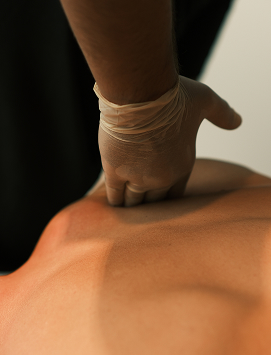
Treatment of pain, movement restrictions, and muscular imbalances.
3. Active Rehabilitation
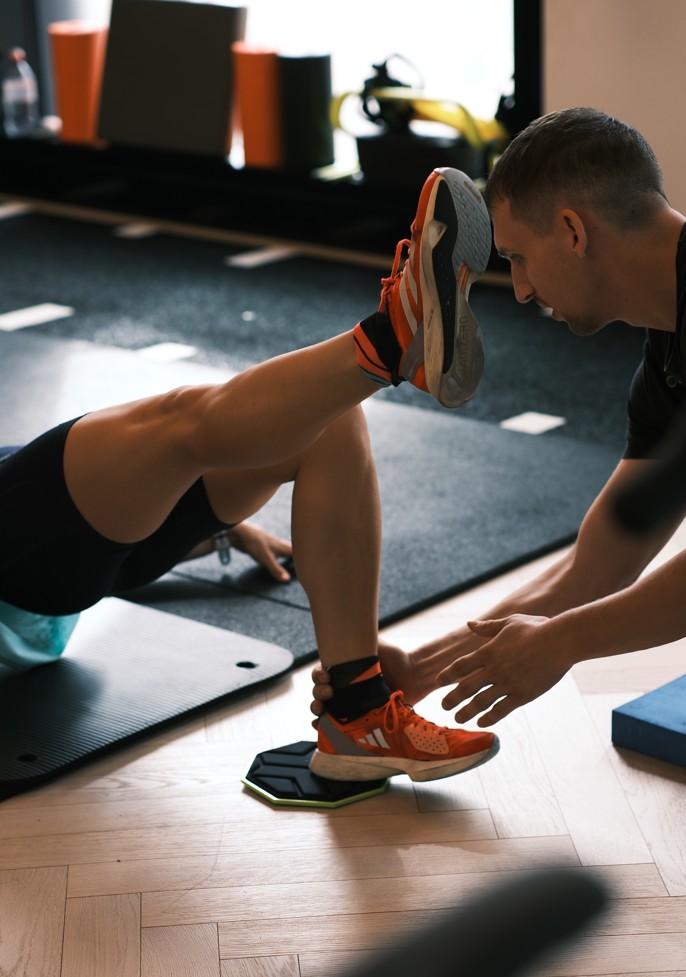
Structured training to restore strength and control.
4. Sport-Specific Integration
Simulation of real training or competition demands.
Frequently Asked Questions About Sports Physiotherapy
Do I Need a Medical Prescription?
Not necessarily for prevention and training. For medical rehabilitation, it is usually recommended.
Can I train despite having pain?
Often yes — but in a modified and controlled way.
How long does rehabilitation take?
It depends on the injury, your goals, and your training level.
Is sports physiotherapy only for professionals?
No. Recreational athletes also benefit greatly.
Sports Physiotherapy in Altstetten – Modern Care for Active People
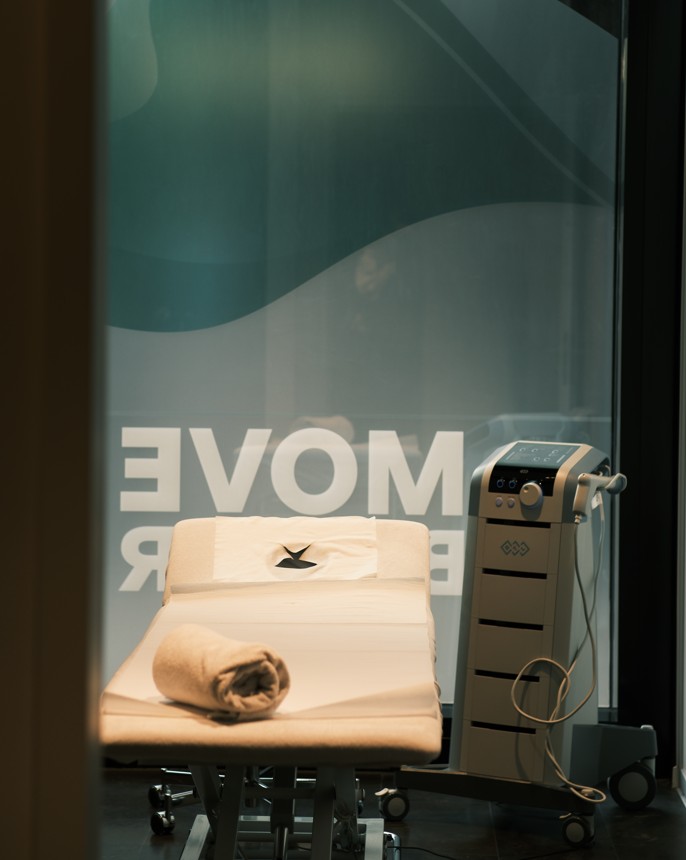
In Zurich Altstetten, modern training facilities, functional diagnostics, and personalised care are available. Therapy and training are strategically combined to support safe and sustainable performance development.
Sports physiotherapy integrates medical treatment with structured training and targeted prevention. It helps treat injuries, prevent complaints, and maintain long-term athletic performance. Anyone who exercises regularly or wants to return safely after an injury benefits from individually tailored sports physiotherapy care.
If you experience discomfort during sports, want to improve your performance, or aim to prevent injuries, a professional sports physiotherapy assessment is highly recommended.