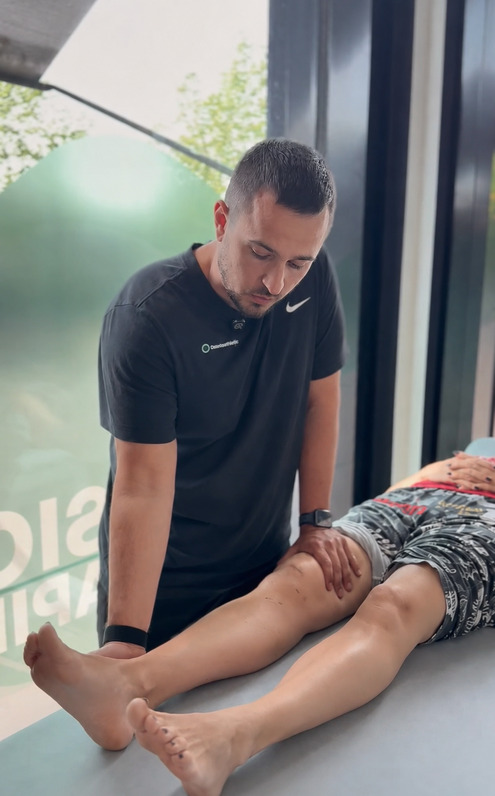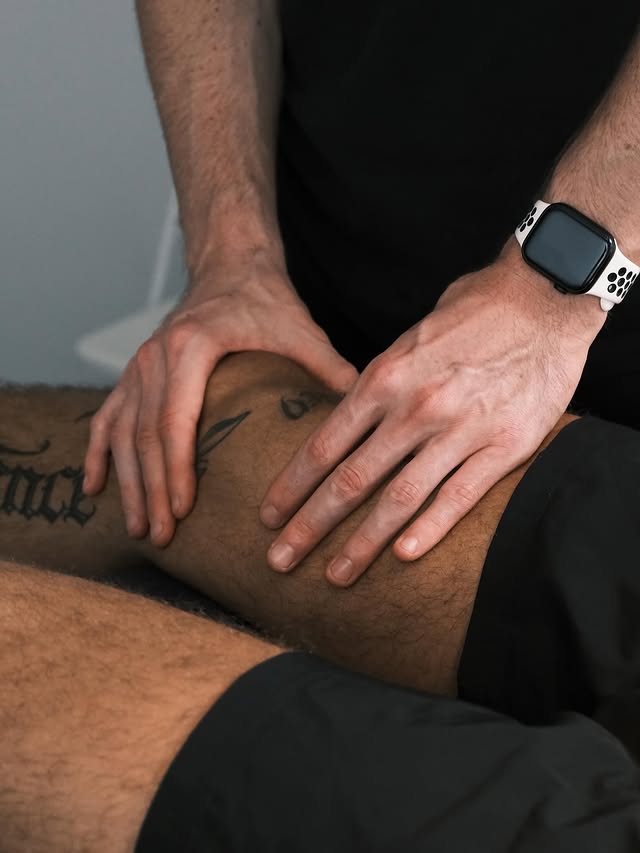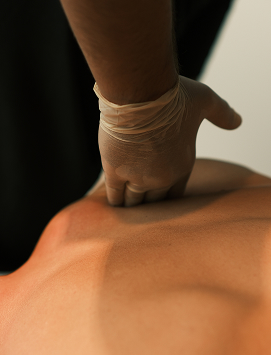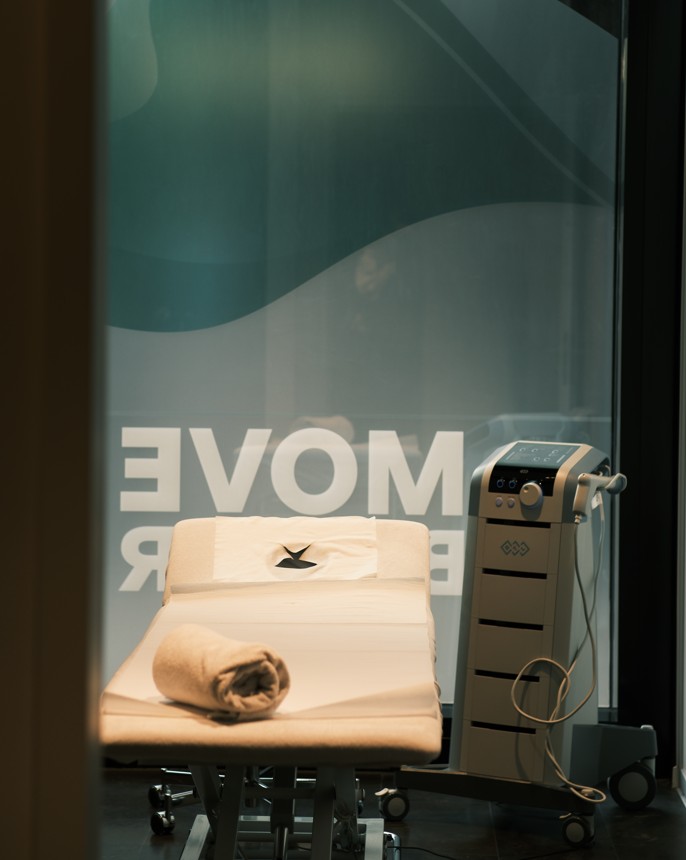
TECAR Therapy Zurich can be useful for physically active people when complaints after sport, knee pain, tendon problems or muscular overload occur.
Sports injuries often occur suddenly – for example during football, tennis, running or strength training. Sometimes, however, symptoms develop gradually: a pulling sensation in the calf, pain in the tendon, an irritated knee or muscular tension after intense physical activity.
In physiotherapy, there are various ways to support rehabilitation. One of them is TECAR therapy. It is often used for sports injuries, muscular complaints, tendon problems and recovery. The aim is to support the healing process, reduce pain and improve the function of the affected tissue.
In this article, we explain what TECAR therapy is, for which complaints it may be useful and how it differs from focused shockwave therapy.
Briefly explained: TECAR therapy is a physical treatment method used in physiotherapy to support recovery, circulation, muscle relaxation and tissue function. Especially for sports injuries, it can be a useful addition to active rehabilitation.
What is TECAR therapy?
TECAR therapy is a physical treatment method used in physiotherapy to support tissue regeneration. The term TECAR stands for “Transfer of Energy Capacitive and Resistive”. During the treatment, energy is transferred into the tissue, which can stimulate local metabolic processes.
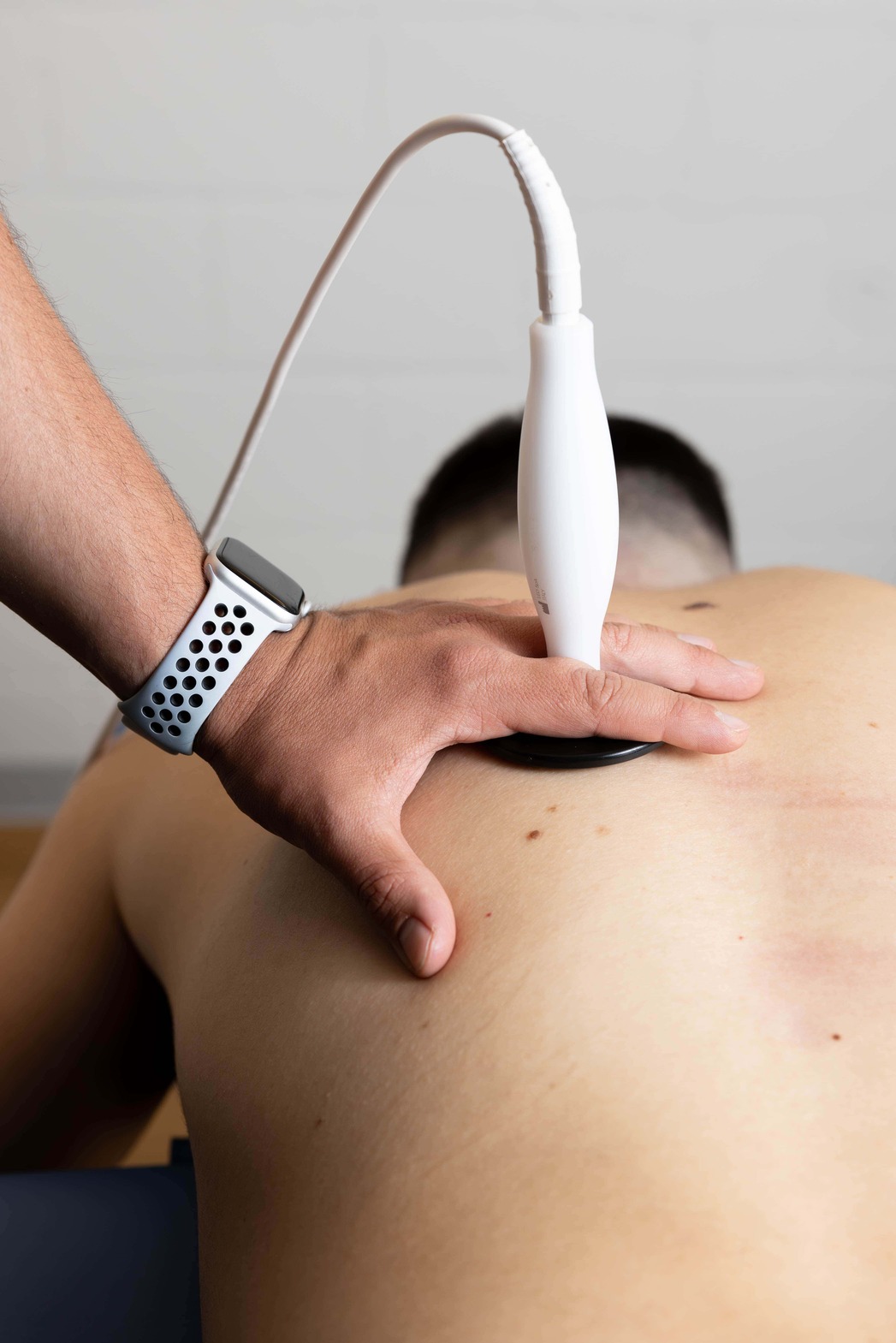
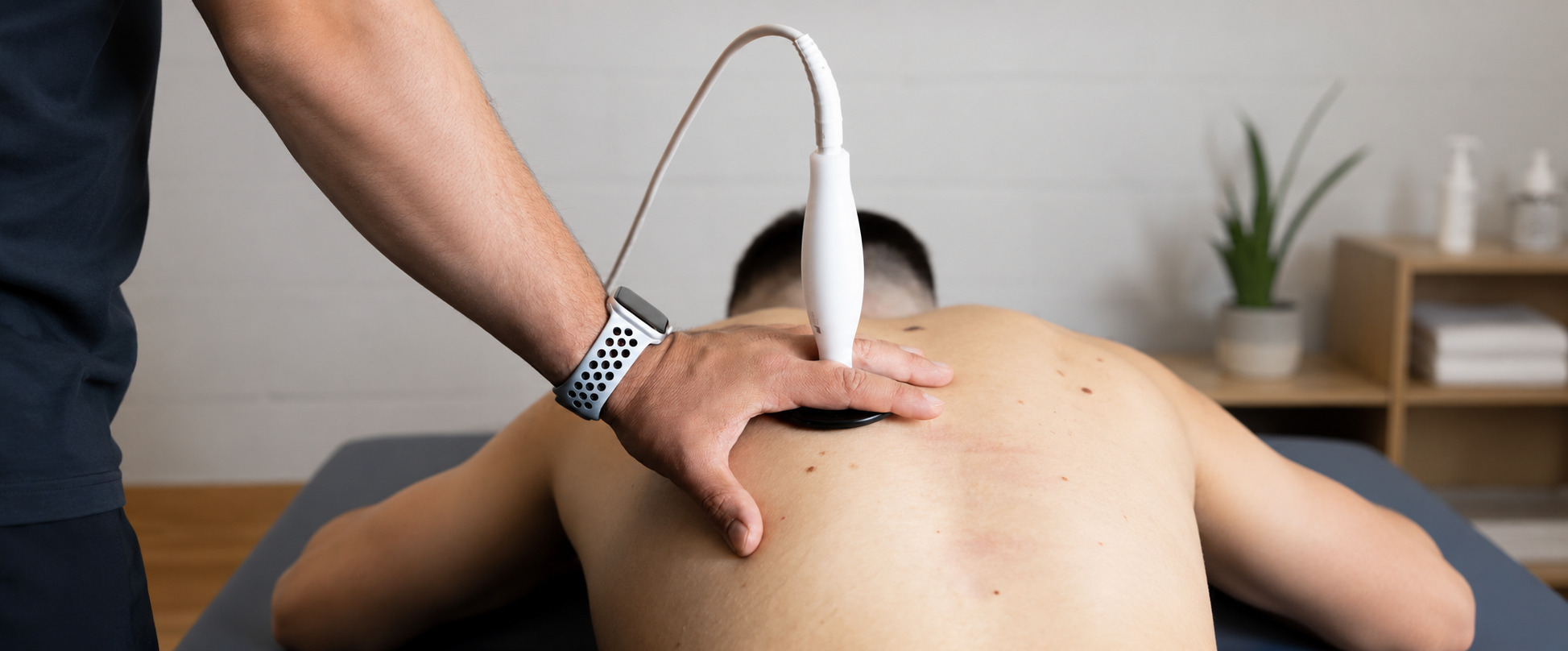
During the treatment, a special applicator is moved over the affected area of the body. Depending on the goal of the therapy, the treatment can work more superficially or deeper within the tissue. Many patients experience the application as pleasantly warming.
In physiotherapy, TECAR is often combined with active rehabilitation, manual techniques and targeted exercises. The therapy does not replace training or load management, but can complement the rehabilitation process.
How does a TECAR treatment work?
At the beginning, the affected area is assessed and the treatment goal is defined. During the treatment, a special applicator is moved over the tissue. The intensity is adjusted individually and should feel comfortable. Depending on the type of complaint, TECAR can be combined with active exercises, manual therapy or a rehabilitation plan.
Possible goals of TECAR therapy
- Support of blood circulation
- Reduction of muscle tension
- Support of tissue regeneration
- Pain relief
- Improvement of mobility
- Recovery after physical activity
Typical areas of application
TECAR therapy can be used for various complaints involving muscles, tendons, ligaments and joints.
- Sports injuries
- Muscular overload
- Tendon irritation
- Knee pain after physical activity
- Recovery after training
- Rehabilitation after injuries
Important to know
Whether TECAR is useful always depends on the diagnosis, the type of complaint, the patient’s load capacity and the rehabilitation goal. For this reason, the treatment should be planned individually and combined with active physiotherapy.
For which sports injuries can TECAR be useful?
TECAR therapy can be used for different sport-related complaints. It can be especially interesting for injuries or overload problems involving muscles, tendons, ligaments or joints.
Typical areas of application in sports physiotherapy include:
- Muscle tension and muscular overload
- Muscle injuries and strains
- Tendon irritation
- Knee pain after sport or physical activity
- Complaints after an ankle sprain
- Irritation in the shoulder, hip or knee area
- Recovery after intensive training sessions
- Support during rehabilitation after injuries
Especially for physically active people, it is important not only to treat the pain itself. It is also crucial to understand why the complaints developed. Load management, technique, strength deficits, mobility, stability or training volume often play an important role.
For this reason, TECAR therapy should not be viewed in isolation. In modern physiotherapy, it is ideally combined with a detailed assessment and an active rehabilitation plan.
Step 1 – Assessment
Analysis of pain, movement, load capacity and the possible cause of the complaints.
Step 2 – Targeted treatment
TECAR can be used to support recovery, circulation and tissue function.
Step 3 – Active rehabilitation
Targeted exercises improve strength, mobility, stability and load capacity.
Step 4 – Return to sport
The load is gradually increased so that the return to sport is safe and sustainable.
TECAR for knee pain, tendon problems and muscle injuries
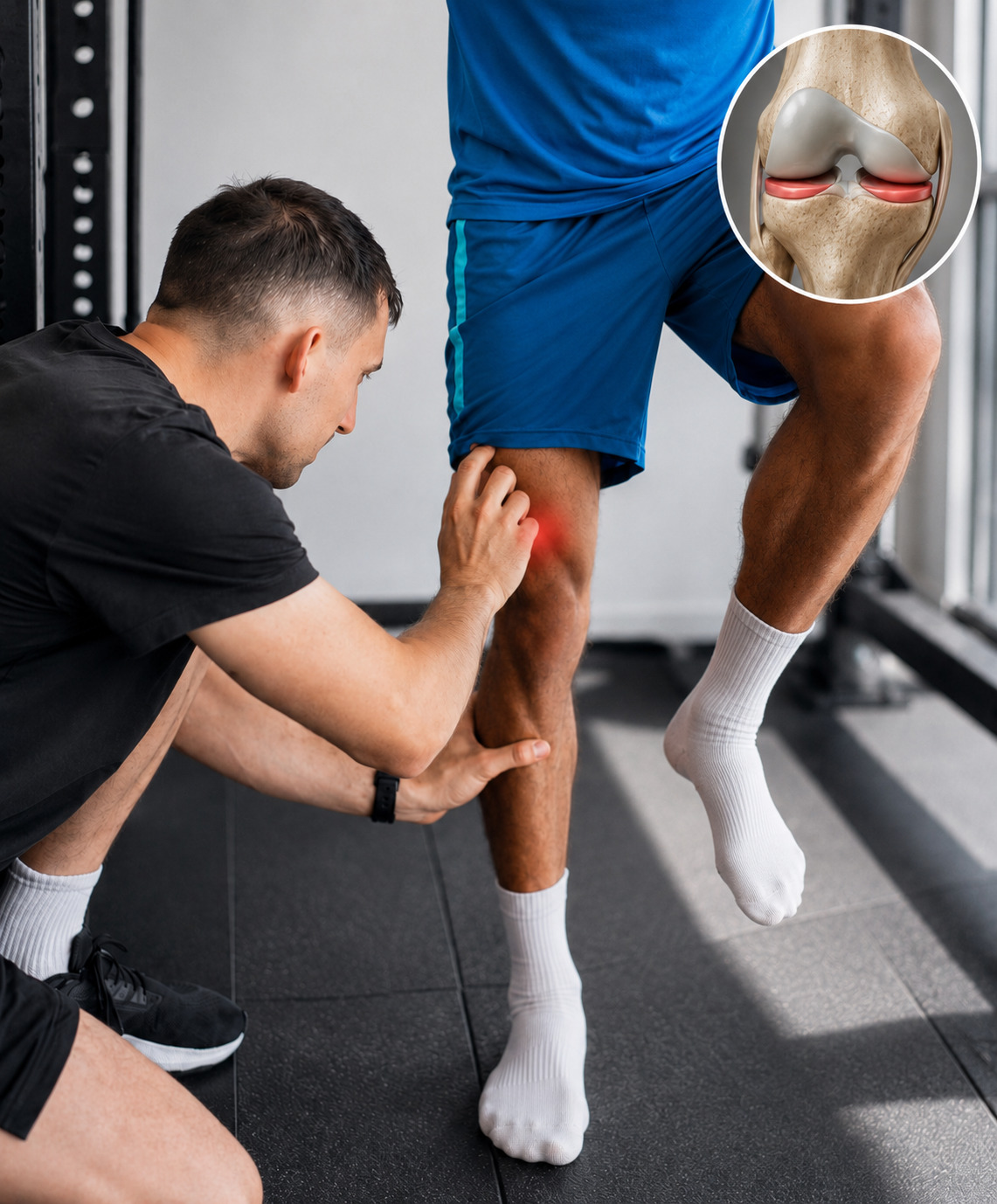
Knee pain is one of the most common complaints among physically active people. It can occur after running, football, strength training, skiing or tennis. Possible causes include overload, tendon irritation, muscular imbalances, problems around the kneecap or injuries to structures within the knee joint.
For knee pain, TECAR therapy can be used as a supportive treatment, for example to calm irritated tissue, reduce muscular tension and make rehabilitation more comfortable. However, active therapy remains particularly important: strength, stability, mobility and a sensible increase in load are essential for long-term improvement.
TECAR can also play a supportive role in tendon problems. Tendon complaints often develop due to repeated loading, increasing training too quickly or insufficient recovery. Examples include complaints involving the Achilles tendon, patellar tendon, hip, shoulder or elbow. In these cases, a targeted build-up of load capacity is especially important.
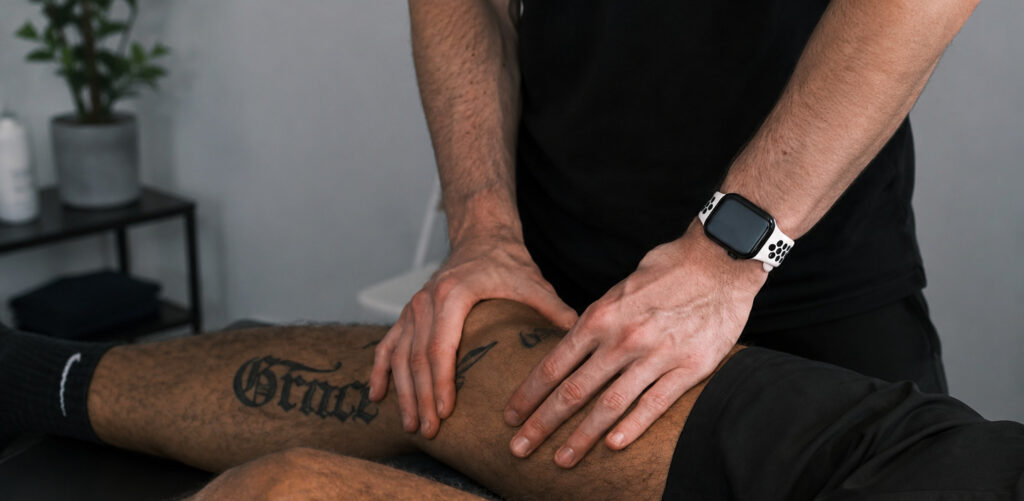
TECAR can also be useful for muscle injuries or muscular overload. After a strain or overload, the goal is to gradually make the tissue load-tolerant again. The treatment can help support recovery while mobility, strength and sport-specific control are rebuilt at the same time.
Important: In the case of acute injuries, severe pain, significant swelling, instability or suspected structural damage, a detailed assessment should be carried out first. Afterwards, it can be decided whether TECAR therapy, active rehabilitation or another treatment approach is appropriate.
TECAR or focused shockwave therapy – what is the difference?
TECAR therapy and focused shockwave therapy are both used in physiotherapy, but they differ significantly in their application and treatment goals.
TECAR therapy works through energy transfer and heat development within the tissue. It is often perceived as pleasant and is particularly suitable for supporting recovery, relaxing muscles, relieving pain and accompanying rehabilitation processes.
Focused shockwave therapy works with high-energy sound waves that are directed into deeper tissue structures.
TECAR therapy
TECAR is often useful when recovery, circulation, muscle relaxation and supportive rehabilitation are the main focus.
Focused shockwave therapy
Focused shockwave therapy is often useful for persistent, chronic or clearly localized tendon and pain problems.
Which method is better?
That depends on the type of complaint. For some patients, TECAR may be more useful, while for others focused shockwave therapy may be the better option. The decisive factors are the diagnosis, the treatment goal and the phase of rehabilitation.
Which method is more suitable depends on the type of complaint. For some patients, TECAR may be more useful, while for others focused shockwave therapy may be the better option. In some cases, both methods can also be used in different phases of rehabilitation.
The decisive factor is not only the technology itself, but the correct diagnosis, a clear treatment plan and the combination with active physiotherapy.
When is TECAR not the right choice?
TECAR therapy can be a useful addition, but it is not automatically the best choice for every complaint.
TECAR is not useful, for example, when the cause of the complaints has not been clarified or when another treatment approach should actually be the priority. If there is a suspicion of a serious injury, severe inflammation, recent trauma, significant swelling, fever, unexplained pain or neurological symptoms, a medical or physiotherapeutic assessment should first clarify what is causing the complaints.
TECAR may also not be suitable, or may only be used after consultation, in the presence of certain contraindications. Depending on the situation, these may include pregnancy, pacemakers, certain implants, cancer, acute infections or sensory disturbances.
In addition, TECAR is not a shortcut that replaces training and rehabilitation. Especially with sports injuries, active therapy is essential. Anyone who wants to return safely to sport after a knee injury, tendon irritation or muscle injury usually needs a structured build-up of strength, mobility, stability and sport-specific load capacity.
Important to know: TECAR can support the rehabilitation process, but it does not replace a detailed assessment or active therapy. Long-term improvement usually results from the combination of treatment, targeted training and sensible load management.
TECAR Therapy Zurich Altstetten: Treatment at Quantum Physio
In our practice in Zurich Altstetten, we use TECAR therapy in a targeted and individual way. Before the treatment, a physiotherapeutic assessment is always carried out. This allows us to understand where the complaints come from, which structures are affected and what goal you have – for example pain-free walking, returning to sport or better recovery after physical activity.
TECAR therapy can be part of a comprehensive treatment plan. Depending on the type of complaint, we combine it with active physiotherapy, manual therapy, sports physiotherapy, strength training, mobility exercises and load management.
As a practice for physiotherapy in Zurich Altstetten, we combine modern treatment methods such as TECAR therapy with active rehabilitation, sports physiotherapy and individual load management.
Especially with sports injuries, it is important to us not only to reduce pain in the short term, but also to improve load capacity in the long term. That is why we plan the therapy so that it fits your everyday life, your sport and your current performance level.
If you have complaints after sport, knee pain, tendon problems or muscular pain, we will be happy to advise you personally at Quantum Physio in Zurich Altstetten.
Frequently asked questions about TECAR therapy
Is TECAR therapy useful for sports injuries?
TECAR therapy can be useful for certain sports injuries, especially when recovery, muscle relaxation, circulation and tissue function need to be supported. Whether it is suitable depends on the diagnosis and the rehabilitation goal.
Does TECAR therapy help with knee pain?
For knee pain, TECAR therapy can be used as a supportive treatment, for example for irritated tissue, muscular tension or complaints after physical activity. However, a detailed assessment of the cause and an active treatment plan remain important.
Which is better: TECAR or shockwave therapy?
That depends on the type of complaint. TECAR is often used for recovery, muscle relaxation and supportive rehabilitation. Focused shockwave therapy is more commonly used for chronic, clearly localized tendon or pain problems.
Does TECAR therapy replace active physiotherapy?
No. TECAR therapy can support the rehabilitation process, but it does not replace active physiotherapy. Especially with sports injuries, strength training, mobility, stability and load management are essential.
How many TECAR treatments do you need?
The number of treatments depends on the cause, the duration of the complaints, the affected tissue, the patient’s load capacity and the treatment goal. After the assessment, an individual treatment plan can be created.
TECAR therapy can be a useful addition to physiotherapy, especially for sports injuries, knee pain, tendon problems and muscular complaints. However, the decisive factor is always that the treatment is planned individually and combined with active rehabilitation.
If you would like to know whether TECAR therapy is suitable for your complaints, a professional physiotherapeutic assessment is worthwhile.