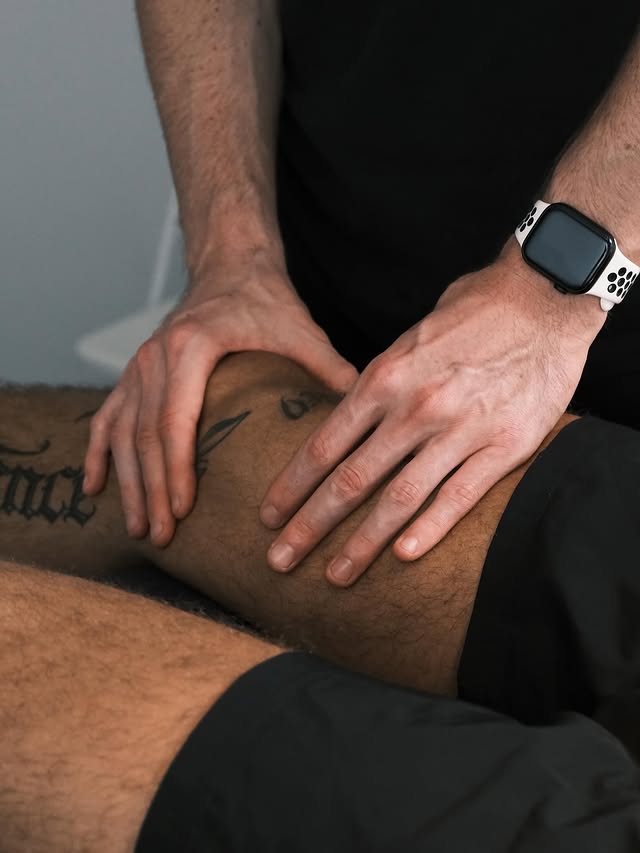
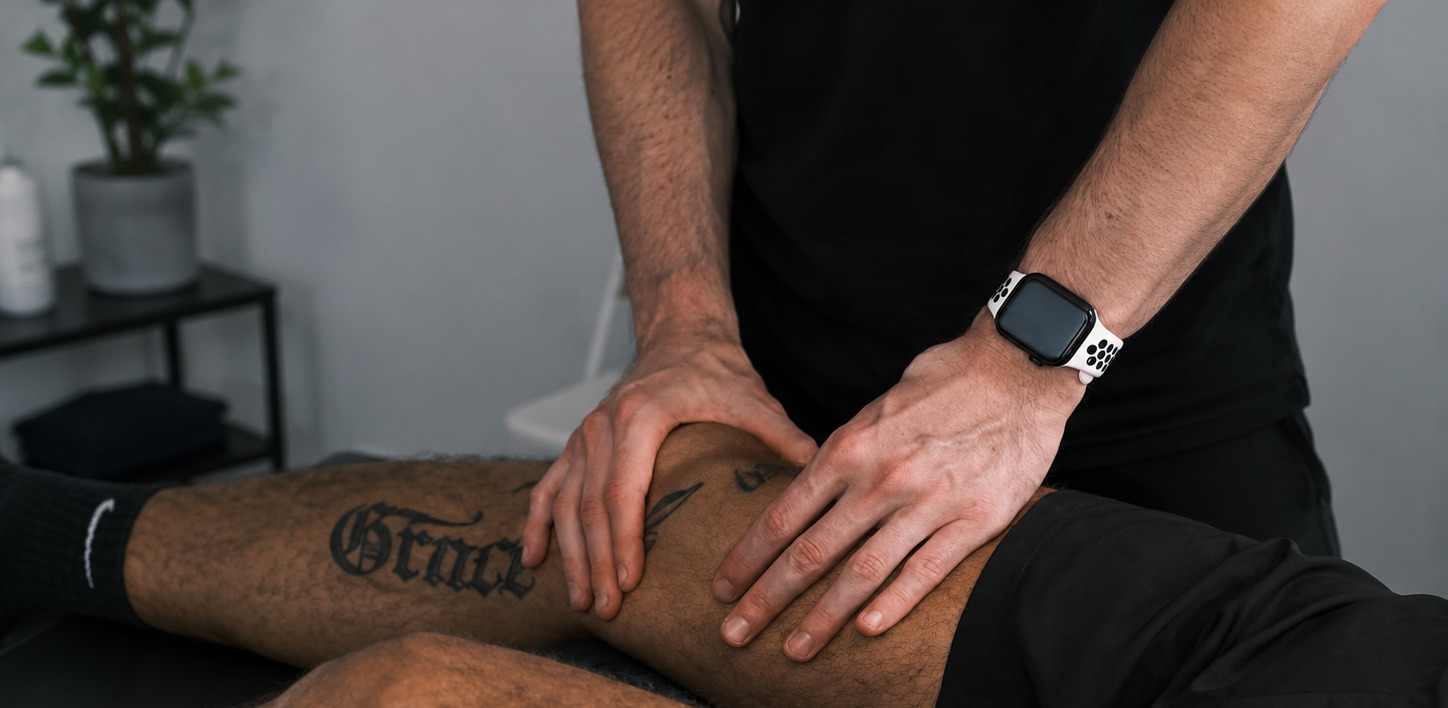
What is an ACL tear?
An ACL tear is one of the most common serious knee injuries in sport. The anterior cruciate ligament is particularly often affected and is commonly referred to as the ACL.
The injury often occurs during a rapid twisting movement, a sudden change of direction, or an uncontrolled landing. Sports with a higher risk include football, skiing, handball, basketball, and other activities involving quick stop-and-go movements.
An ACL tear does not automatically mean that surgery is necessary. Depending on the stability of the knee, possible associated injuries, and the patient’s professional and sporting goals, treatment may be conservative or surgical. In both cases, structured physiotherapy plays a central role.
An anterior cruciate ligament tear occurs when the ligament in the knee is partially or completely torn. As a result, the knee may lose its mechanical stability. People affected often describe the knee giving way or feeling unstable during twisting movements, deceleration, or when climbing stairs.
At Quantum Physio, we offer individualised physiotherapy for ACL tears in Zurich – both for conservative treatment and before and after ACL surgery.
Common causes of an ACL tear
An ACL tear often occurs without direct contact with another person. The knee is under load while the body rotates or the direction of movement changes suddenly.
Typical injury mechanisms include:
- rapid changes of direction
- sudden deceleration
- an uncontrolled landing after a jump
- twisting the knee while skiing
- the knee collapsing inwards
- a direct collision or impact to the knee
- hyperextension of the knee joint
Typical symptoms of an ACL tear
Symptoms can vary depending on the injury mechanism and any associated injuries.
Common signs include:
- an audible or noticeable popping sensation in the knee
- rapid swelling of the knee joint
- acute pain
- restricted range of motion
- difficulty putting weight on the leg
- instability or giving way of the knee
- uncertainty during twisting and changing-direction movements
After a few days, pain and swelling may decrease significantly. However, considerable instability can still remain. The knee should therefore be assessed by a qualified professional, even if it starts to feel better in the short term.
Possible associated injuries
An ACL tear may also involve damage to other structures within the knee joint.
- medial or lateral meniscus
- medial or lateral collateral ligament
- articular cartilage
- bone
- posterior cruciate ligament
- joint capsule
Associated injuries can affect the choice of treatment as well as the course and duration of rehabilitation.
How is an ACL tear diagnosed?
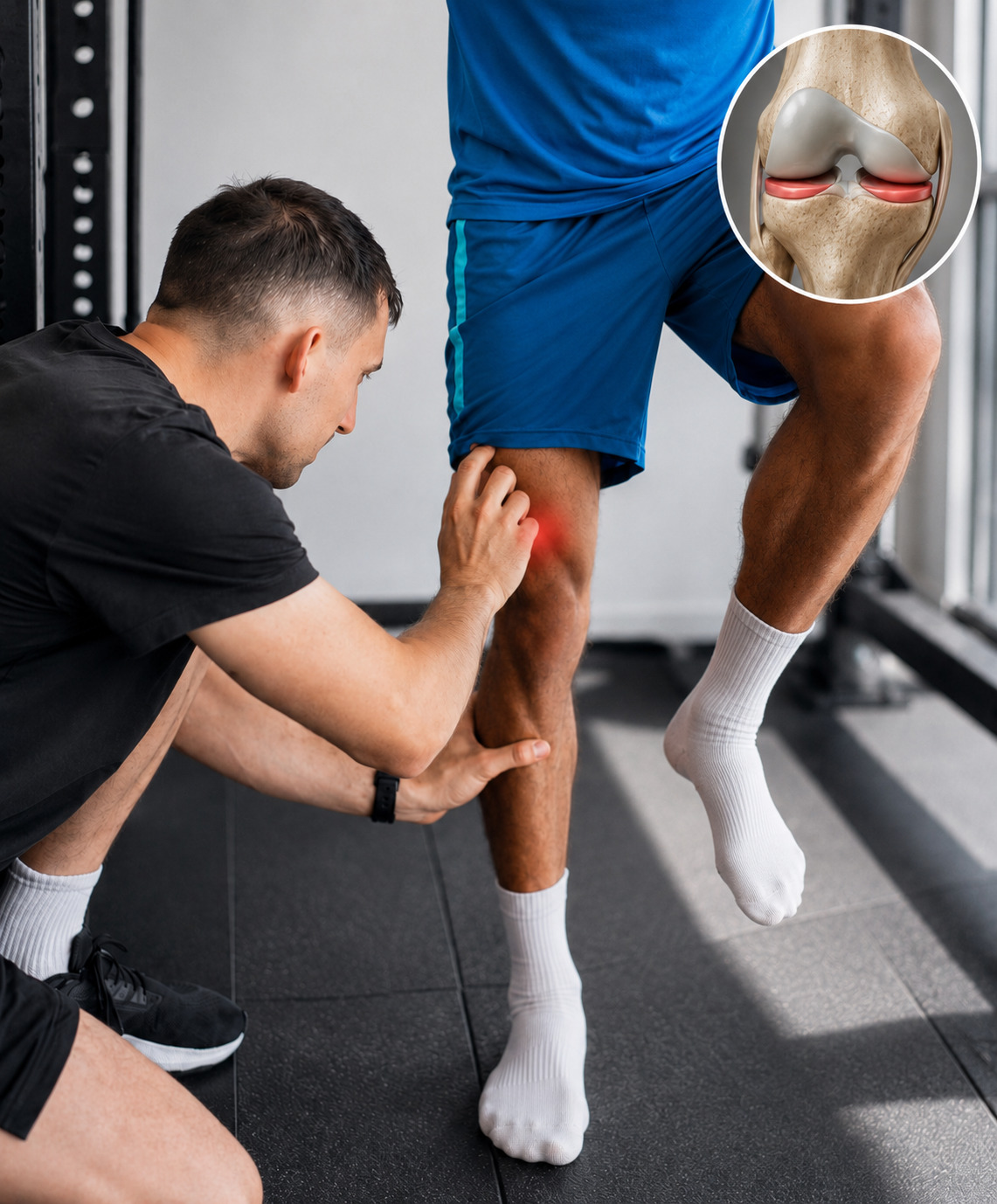
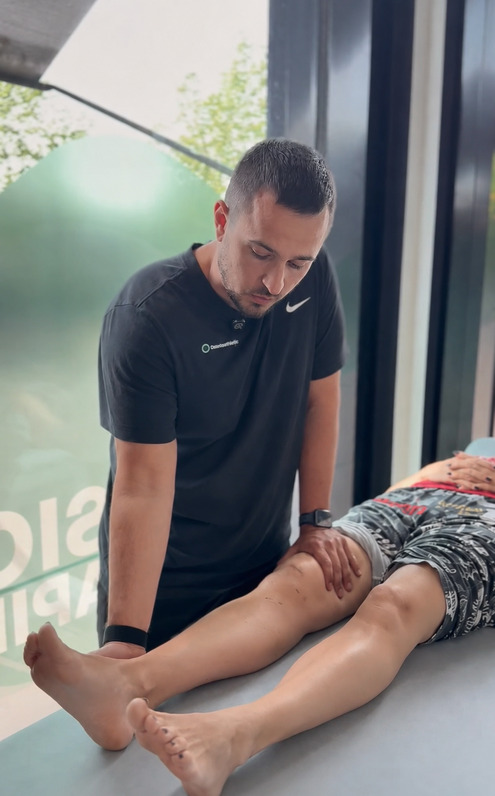
Diagnosis begins with a detailed discussion about how the injury occurred and the current symptoms. This is followed by an assessment of the knee joint’s range of motion, swelling, muscle activation, and stability.
Typical clinical examinations include:
- Lachman test
- anterior drawer test
- pivot shift test
- assessment of the collateral ligaments
- meniscus examination
- comparison with the uninjured knee
For further assessment, magnetic resonance imaging, or MRI, is often performed. This allows the ACL and possible associated injuries to the meniscus, cartilage, or other ligaments to be evaluated.
If there is severe swelling, locking of the knee joint, significant instability, or an inability to bear weight, the knee should be examined by a doctor promptly.
Does an ACL tear require surgery?
Not every ACL tear requires surgery. The decision is made on an individual basis and does not depend solely on the MRI findings.
Important factors include:
- subjective and objective stability of the knee
- age and general health
- sporting and occupational demands
- frequency of episodes where the knee gives way
- condition of the menisci, cartilage, and collateral ligaments
- willingness to follow a consistent rehabilitation programme
- the individual goals of the person affected
Conservative treatment without surgery
Conservative treatment may be appropriate if the knee is sufficiently stable in everyday life, there are no problematic associated injuries, and the desired activities can be performed without repeated episodes of the knee giving way.
Treatment typically includes:
- reducing pain and swelling
- restoring full range of motion
- activating the thigh muscles
- targeted strength training
- balance and coordination training
- improving lower-limb alignment and control
- gradually increasing loads that reflect everyday activities
Surgical treatment
Reconstruction of the anterior cruciate ligament may be appropriate in cases of persistent instability, repeated episodes of the knee giving way, certain associated injuries, or high sporting demands.
During surgery, the injured ACL is usually replaced with a tendon graft taken from the patient’s own body. Common graft options include parts of the hamstring, quadriceps, or patellar tendon.
The decision between conservative and surgical treatment should be made together with an orthopaedic specialist and the treating physiotherapist.
Important to know: Surgery restores the mechanical structure of the ACL. However, strength, movement quality, coordination, and confidence in the knee must then be rebuilt through targeted rehabilitation over several months.
Physiotherapy for an ACL tear in Zurich
Physiotherapy and a structured ACL rehabilitation programme are essential for conservative treatment as well as before and after ACL surgery.
Physiotherapy is particularly helpful for:
- pain and swelling
- limited knee extension or flexion
- weakness of the thigh muscles
- an unsteady walking pattern
- a feeling of instability
- reduced lower-limb alignment and control
- returning to running
- preparing for sport and competition
- fear of reinjury
The goal is not simply to achieve a pain-free knee. It is essential that the affected leg regains sufficient strength, can control physical loads, and is able to respond effectively to unexpected movements.
Physiotherapy before ACL surgery
Targeted physiotherapy before ACL surgery, often referred to as prehabilitation, can help reduce swelling, restore full knee extension, and activate the thigh muscles. A well-prepared knee often provides better conditions for the rehabilitation that follows ACL surgery.
How rehabilitation after an ACL tear works
Successful rehabilitation after an ACL tear progresses step by step. Progress should not be based solely on the number of weeks that have passed, but also on range of motion, strength, swelling, movement control, and the knee’s ability to tolerate load.
Step 1 – Reduce pain and swelling
In the first phase, the main priorities are reducing pain, swelling, and joint irritation, restoring full knee extension, activating the muscles, and achieving a safe walking pattern.
Step 2 – Restore mobility and build foundational strength
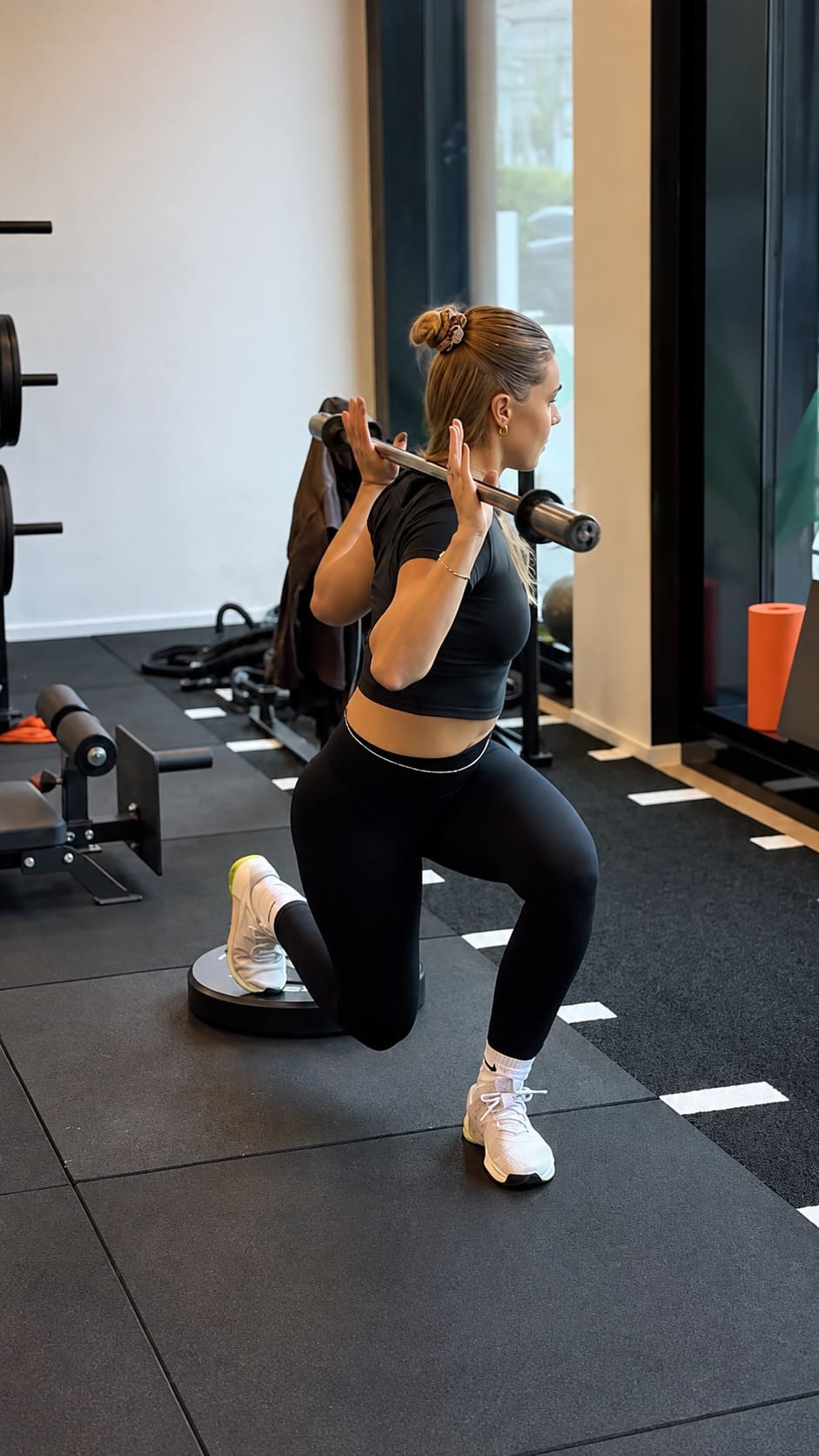
The knee’s capacity to tolerate load is gradually improved through adapted squats, step-ups, strength training, stationary cycling, and balance exercises.
Step 3 – Improve strength and control
Single-leg strength exercises, eccentric control, knee stability, lower-limb alignment, and reactive ability are trained in a targeted manner.
Step 4 – Return to running
Running should only be reintroduced once there is sufficient mobility, strength, and control, with little or no swelling.
Step 5 – Functional sports training
Acceleration, deceleration, jumping, landing, and changes of direction are progressively trained according to the demands of the chosen sport.
Step 6 – Return to sport after an ACL tear
Strength assessments, jump tests, movement analyses, and sport-specific tests help determine when it is safe to return to sport.
Important to know: Time is an important factor in healing, but it should not be used as the only criterion for decision-making. Before returning to sport, strength, movement quality, load tolerance, and confidence in the knee should be assessed objectively.
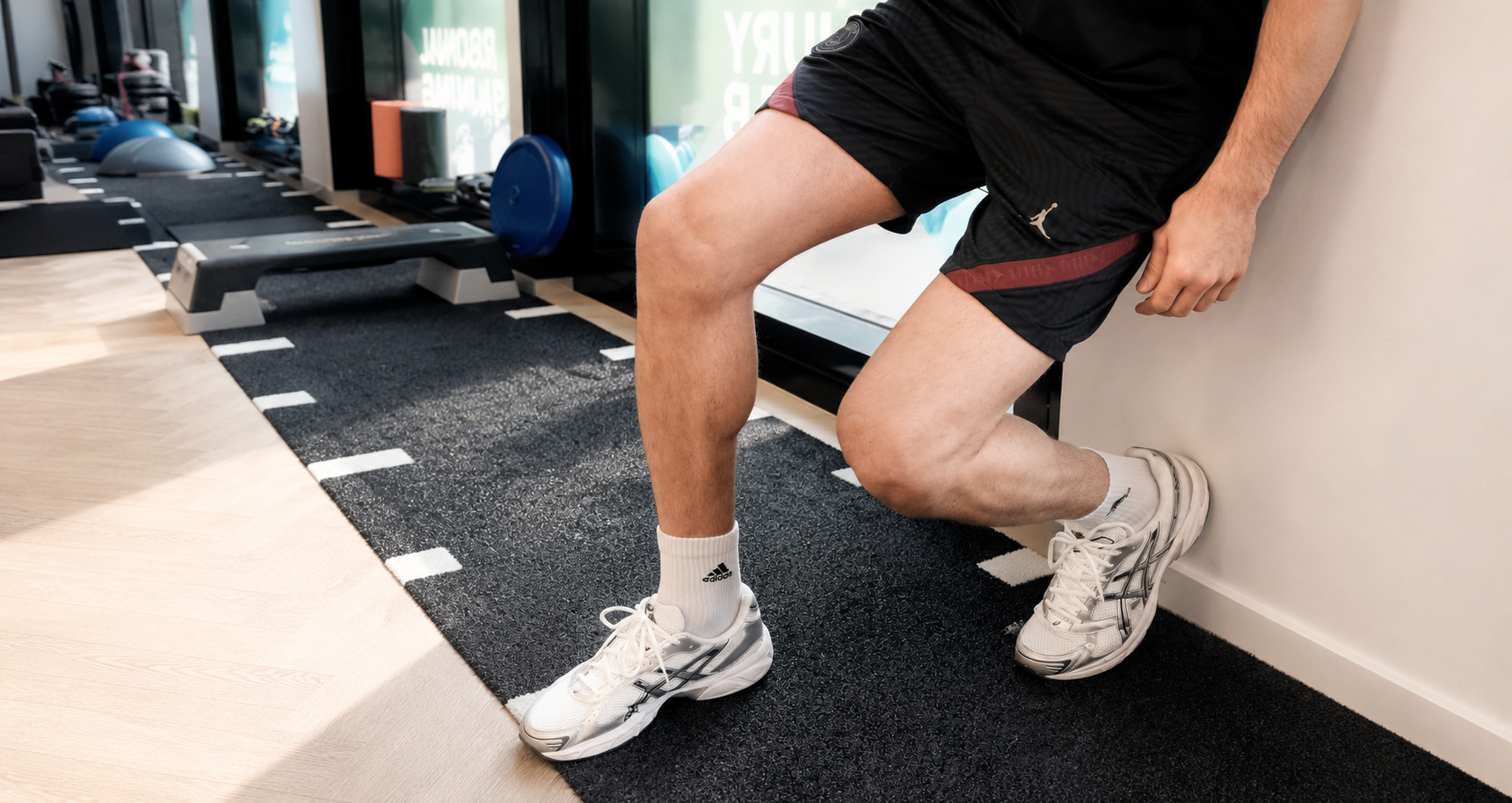
How long does rehabilitation after an ACL tear take?
The duration depends on several factors:
- conservative or surgical treatment
- the type of tendon graft used
- additional meniscus or cartilage injuries
- swelling and range of motion
- muscle strength before and after the injury
- training frequency
- how the knee responds to load
- occupational and sporting goals
Normal everyday activities require significantly less complex abilities than football, skiing, handball, or basketball.
A return to sports involving rapid changes of direction therefore takes longer than a return to cycling, controlled strength training, or straight-line jogging. For demanding pivoting sports, rehabilitation may take nine to twelve months or longer.
A fixed timeline can provide general guidance. However, progression to the next phase of rehabilitation should be based on clear functional criteria.
ACL rehabilitation in Zurich
Professional ACL rehabilitation and knee physiotherapy in Zurich should be tailored to the individual injury, any surgery performed, and the patient’s personal activity goals.
At Quantum Physio Zurich, we support patients throughout the entire ACL rehabilitation process – from the early phase after the injury or surgery through to a safe return to everyday life, work, training, and sport.
Treatment may include:
- reducing pain and swelling
- restoring knee mobility
- targeted strengthening of the leg muscles
- gait and movement analysis
- balance and coordination training
- a controlled return-to-running programme
- jumping and landing training
- change-of-direction training
- sport-specific rehabilitation
- return-to-sport testing
Our goal is not only to reduce pain. The knee should once again be able to safely cope with the actual demands of your everyday life, work, or sport.
Can an ACL tear be treated without surgery?
Yes. Some people can regain a stable and resilient knee without surgery after completing a structured rehabilitation programme.
Conservative treatment may be particularly suitable when:
- the knee does not repeatedly give way during everyday activities
- there is no associated injury that clearly requires surgery
- the desired activities can be performed in a controlled manner
- sufficient strength and movement control can be developed
- the person follows the rehabilitation programme consistently
When can I return to sport after an ACL tear?
This depends on the type of sport and the progress made during rehabilitation. Controlled training on a bicycle or strength-training equipment is often possible earlier than jogging, skiing, football, or other sports involving rapid changes of direction.
Being able to run without pain does not automatically mean that someone is ready for rapid twisting movements, contact with opponents, or unpredictable game situations.
Frequently asked questions about ACL tears
How can I tell if I have an ACL tear?
Typical signs include a popping sensation at the time of injury, rapid swelling, pain, restricted movement, and a feeling of instability that may develop later. A reliable diagnosis requires a clinical examination and often an MRI scan.
Can you still walk with a torn ACL?
Walking is often possible again after a few days. However, this does not mean that the knee is fully stable. Problems often become noticeable only during twisting movements, rapid deceleration, or sport.
Does every ACL tear require surgery?
No. Many ACL injuries can initially be treated with structured physiotherapy. Surgery is mainly considered in cases of significant instability, certain associated injuries, or high sporting and occupational demands.
When does physiotherapy begin?
Physiotherapy usually starts early. Even before a possible operation, prehabilitation can help reduce swelling, restore mobility, and prepare the muscles.
How long does physiotherapy take after ACL surgery?
Rehabilitation takes several months. A period of approximately nine to twelve months or longer is often required for a safe return to sports involving rapid changes of direction. The actual timing depends on the healing process and the results of functional testing.
When can I start jogging again?
The start of running training depends on swelling, range of motion, strength, and single-leg control. A fixed date alone is not sufficient. Running should be reintroduced gradually and in a controlled manner.
Can I play football or go skiing again after an ACL tear?
In many cases, returning to these sports is possible. However, strength, stability, coordination, jumping and landing control, and sport-specific skills must be systematically developed and tested first.
How can I prevent another ACL injury?
The risk cannot be eliminated completely, but it can be reduced through targeted training. Important factors include good lower-limb alignment, sufficient strength, safe landing technique, coordination, and a controlled increase in training load.
Successful rehabilitation after an ACL tear requires more than general knee exercises. The key elements are an individual treatment plan, a controlled increase in load, and regular functional assessments.
If your knee feels unstable after an injury, does not regain the expected level of function after ACL surgery, or you want to return to sport safely, a professional physiotherapy assessment at Quantum Physio in Zurich can be highly beneficial.