Neck pain is pain around the cervical spine that often spreads into the shoulders, the back of the head or down the arm. It is one of the most common musculoskeletal complaints in Switzerland, especially among people who spend long hours at a screen or are going through a stressful patch.
The good news first: most neck pain has no serious cause behind it. Usually it is a mix of overload, muscle tension and too little movement: a tight neck after a long day, a stiff neck or “crick in the neck” when you wake up, or a headache that starts at the back of your head.
Mild symptoms often settle within a few days. If they last longer than one to two weeks or keep coming back, get them checked. Physiotherapy in Zurich helps find the cause, ease the pain and make your neck more resilient.
In short: Neck pain usually comes from long hours at a screen, stress, too little movement and neck muscles with low capacity. Less often, a herniated disc, a pinched nerve or whiplash is behind it. What helps most is movement rather than rest, targeted exercises and physiotherapy that combines manual therapy with strength training. See a doctor straight away if you have numbness or weakness in the arm, fever, severe dizziness, or pain after an accident.
Neck Pain: What Could Be Behind It?
In most cases, neck pain is a mismatch between how much load your neck gets and how much it can currently handle. Muscles, small facet joints and discs are irritated, but nothing is damaged. Clinicians call this non-specific neck pain.
Your head weighs around 4 to 6 kilograms, and your cervical spine carries and moves it all day. When you push your head forward to look at a laptop or phone, your neck muscles have to work much harder. The problem is less any particular posture and more how long you hold it. Even a “perfect” posture becomes uncomfortable if you don’t change it for three hours.
How well your neck copes depends on more than the neck itself. A stiff upper back, tired shoulder blade muscles, a clenched jaw, poor sleep and stress all play a part.
Typical triggers include:
- hours at a screen without changing position
- looking down at your phone a lot (“text neck”)
- working on a laptop without a separate screen, often at the kitchen table
- little strength and endurance in the deep neck and shoulder blade muscles
- a stiff upper back (thoracic spine)
- stress, poor sleep and teeth grinding
That is why, in physiotherapy in Zurich Altstetten, we look beyond the sore spot. We also assess your upper back, shoulder girdle, strength, mobility and daily routine. Neck and back problems often go together, so our guide Back Pain: When Physiotherapy Can Help may also be useful.
Common Causes of Neck Pain
The most common causes are muscle overload, stress and irritated facet joints. Disc problems, nerve irritation and injuries are less common. Because the symptoms overlap, a proper assessment matters.
Tight Neck From Desk Work and Lack of Movement
A tight neck usually comes from long periods of static load. The muscles work for hours without a break, tire and start to feel hard. The pain then pulls into the shoulders or the back of the head. A familiar pattern: Monday morning is fine, by Thursday evening your neck feels locked. On holiday it gets noticeably better. To ease this kind of neck tension, movement breaks, a well set-up workstation and training for neck muscle endurance help most.
Stress and Muscle Tension
Under pressure, many people raise their shoulders, clench their teeth or breathe shallowly into the upper chest without noticing. That adds tension to the neck. Neck tension and tension headaches therefore often show up in the same stressful weeks. Anything that lowers stress helps too, from time outdoors to enough sleep.
Stiff Neck, Wry Neck and “Locked” Neck
Woken up and can hardly turn your head? Often a small facet joint is irritated and the muscles tighten up to protect it. If your head is also pulled to one side, this is called acute wry neck (torticollis). It feels alarming but usually settles within a few days to weeks. Gentle movement helps more than keeping still. Manual therapy and targeted exercises can shorten the recovery.
Herniated Disc and Pinched Nerve in the Neck
Does the pain shoot into your shoulder, arm or hand? Do you notice tingling, a numb finger or weakness? Then a nerve root is often irritated, which people call a “pinched nerve”. A common cause is a disc bulge or herniated disc in the cervical spine. The medical term is cervical radiculopathy. Most cases improve without surgery. What matters is a careful neurological examination, well-dosed physiotherapy and a prompt medical review if weakness gets worse.
Whiplash and Other Injuries
A rear-end collision, a fall on the ski slope or a clash on the football pitch can overstretch the muscles, ligaments and joints of the neck. Typical symptoms are neck pain, stiffness and headaches, sometimes dizziness or poor concentration. After an accident, see a doctor first. Physiotherapy then helps you regain movement step by step and lose the fear of moving your neck.
Arthritis, Wear and a Narrow Spinal Canal
Wear in the discs and facet joints is normal from middle age and often painless (more on this under diagnosis below). Adapted training often eases symptoms clearly, even with arthritis of the neck (cervical spondylosis). In rare cases, wear and disc material narrow the spinal canal enough to press on the spinal cord (cervical myelopathy). Warning signs are clumsy hands, for example when doing up buttons, and an unsteady walk. This needs a prompt medical assessment.
Inflammatory Conditions
Sometimes inflammation is the driver, for example rheumatoid arthritis or ankylosing spondylitis. Clues are morning stiffness lasting more than 30 minutes, night pain that eases with movement, and problems in several joints. A rheumatologist should assess this, with physiotherapy supporting treatment.
Jaw Tension, Teeth Grinding and TMJ Problems
The jaw joint and the neck are closely linked through muscles and nerves. People who grind their teeth at night or clench during the day often also have a tight neck, headaches or ringing in the ears. This is known as temporomandibular dysfunction (TMD). Here, jaw physiotherapy can make a real difference.
Neck Pain and Headaches: When the Neck Is the Cause
Cervicogenic headaches usually start on one side at the back of the head and spread towards the forehead or eye. Certain head positions or long screen sessions set them off. Treatment targets the upper neck, the neck muscles and everyday posture habits.
Symptoms and Likely Causes at a Glance
This overview helps with a first assessment. It does not replace an examination.
Tight or stiff neck
- Pulling pain in the neck and between the shoulder blades, worse in the evening: usually overload from screen work. Breaks, ergonomics and strengthening help.
- Stiff neck after waking up, head hard to turn: usually an irritated facet joint with protective muscle tension. Gentle movement, heat and manual therapy help.
- Neck and jaw pain, teeth grinding: often a TMJ disorder. Jaw physiotherapy can help.
Pain spreading into the arm
- Pain shooting into the arm or hand, tingling or numbness: often an irritated nerve root, for example from a disc. A proper assessment and carefully dosed physiotherapy matter.
- Pain after an accident or fall: possibly whiplash. See a doctor first, then start active rehabilitation.
Headaches and dizziness
- Headache starting at the back of the head: often a cervicogenic headache. Treatment of the upper neck and targeted exercises help.
- Neck pain with dizziness or light-headedness: possibly a neck problem, but other causes are possible too. See a doctor first, then physiotherapy.
Signs of another cause
- Morning stiffness over 30 minutes, several joints affected: possibly an inflammatory condition. Have it checked by a rheumatologist.
- Clumsy hands, unsteady walk: possibly pressure on the spinal cord (myelopathy). Have it checked by a doctor promptly.
Neck Pain From Desk Work, After Sleeping, in Sport and With Dizziness
When your neck hurts says a lot about why. That is why we ask about your daily routine in detail at the first session.
Neck Pain From Office Work and Working From Home
Often a screen set too low, a laptop without a separate keyboard and a day without breaks are all it takes. Typically you feel a pulling pain in the neck and between the shoulder blades that builds towards the evening. So we also look at your workstation, sitting habits and break rhythm, and train the endurance of your neck and shoulder blade muscles.
Neck Pain After Sleeping
Waking up with neck pain usually means you spent a long time in an awkward position, for example on your stomach with your head turned. A pillow that is too high or too flat can add to it. The pillow is rarely the whole story, though. A neck with low overall capacity simply reacts more to these positions. The best sleeping position for neck pain is usually on your back or side. When lying on your side, the pillow should keep your head roughly in line with your spine. Gentle movement in the morning and some heat usually help.
Neck Pain in Sport
On a road bike you hold your head extended for hours. Swimming front crawl, your neck rotates with every breath. Overhead presses and pull-ups in the gym also load the neck and shoulders. Pain here often comes from ramping up too fast, technique issues or an unstable shoulder girdle. With sports physiotherapy and targeted strength training, we adjust technique and load so you can keep training.
Neck Pain on One Side: Right or Left Only
One-sided pain often has one-sided habits behind it. Your screen sits at an angle, the mouse is too far away, you wedge the phone between ear and shoulder, or you always sleep on the same side. An irritated facet joint or nerve root also typically causes symptoms on one side only. In the assessment we therefore compare both sides for movement, strength and sensation.
Neck Pain and Dizziness
Neck pain and dizziness often go together. Dizziness that comes from the neck (cervicogenic dizziness) usually feels like unsteadiness or light-headedness linked to head movements. A spinning sensation is less common. Dizziness can also come from the inner ear, circulation or, rarely, blood vessels and the nervous system, so have it checked by a doctor first. If the neck is the likely cause, treatment of the upper neck and eye-head coordination training can help.
When Should Neck Pain Be Checked?
Get neck pain checked if it lasts longer than one to two weeks, keeps coming back, or comes with pain in the arm, headaches or dizziness. The earlier the cause is clear, the less likely acute symptoms are to turn into chronic neck pain.
Other reasons to get it assessed:
- you can turn or tilt your head much less than usual
- the pain disturbs your sleep or work
- you are stiff for more than 30 minutes in the morning
- it started after an accident or fall
Important: Warning signs that need a prompt medical assessment: numbness or weakness in the arms or hands, clumsy hands, an unsteady walk, unexplained weight loss, a history of cancer, or very severe pain after an accident. For fever with a stiff neck and a severe headache, sudden severe dizziness, or problems with vision, speech or swallowing, call the Swiss emergency number 144 straight away.
Diagnosis: Do You Need an X-ray or MRI?
For most neck pain, a detailed conversation and a physical examination are enough. Without warning signs, an X-ray or MRI is usually not needed. International guidelines recommend imaging when there are warning signs, after significant accidents (as judged by a doctor), with neurological symptoms, or when pain does not improve over several weeks despite treatment.
In physiotherapy we test mobility, strength, muscle endurance, posture patterns and, if needed, nerve function. If pain spreads into the arm, the pattern of symptoms gives clues about which nerve root may be involved:
C5 nerve root
Typical spread: shoulder and outer upper arm.
Possible weakness: lifting the arm sideways.C6 nerve root
Typical spread: thumb side of the forearm and hand.
Possible weakness: bending the elbow, extending the wrist.C7 nerve root
Typical spread: middle finger and back of the arm.
Possible weakness: straightening the elbow.C8 nerve root
Typical spread: little finger and inner forearm.
Possible weakness: grip and finger strength.
This is a guide, not a diagnosis, and the boundaries vary from person to person. If there is muscle weakness or it is getting worse, we refer you to your GP or family doctor, who decides on further tests such as an MRI or a neurological assessment.
Good to know: From middle age onwards, X-rays and MRIs show wear in the discs and facet joints in almost everyone, including many people with no pain at all. A scan result on its own therefore does not explain your symptoms. What matters is how mobile, strong and resilient your neck is.
How Physiotherapy Helps With Neck Pain
A combination of manual therapy and active exercise works best. That is also what international physiotherapy guidelines recommend. Passive treatments on their own usually bring only short-lived relief. We explain the difference between physiotherapy and massage in Physiotherapy or Massage: Which Is Better for Pain Relief?
Modern treatment usually includes:
- testing mobility, strength and endurance, including your upper back and shoulder blades
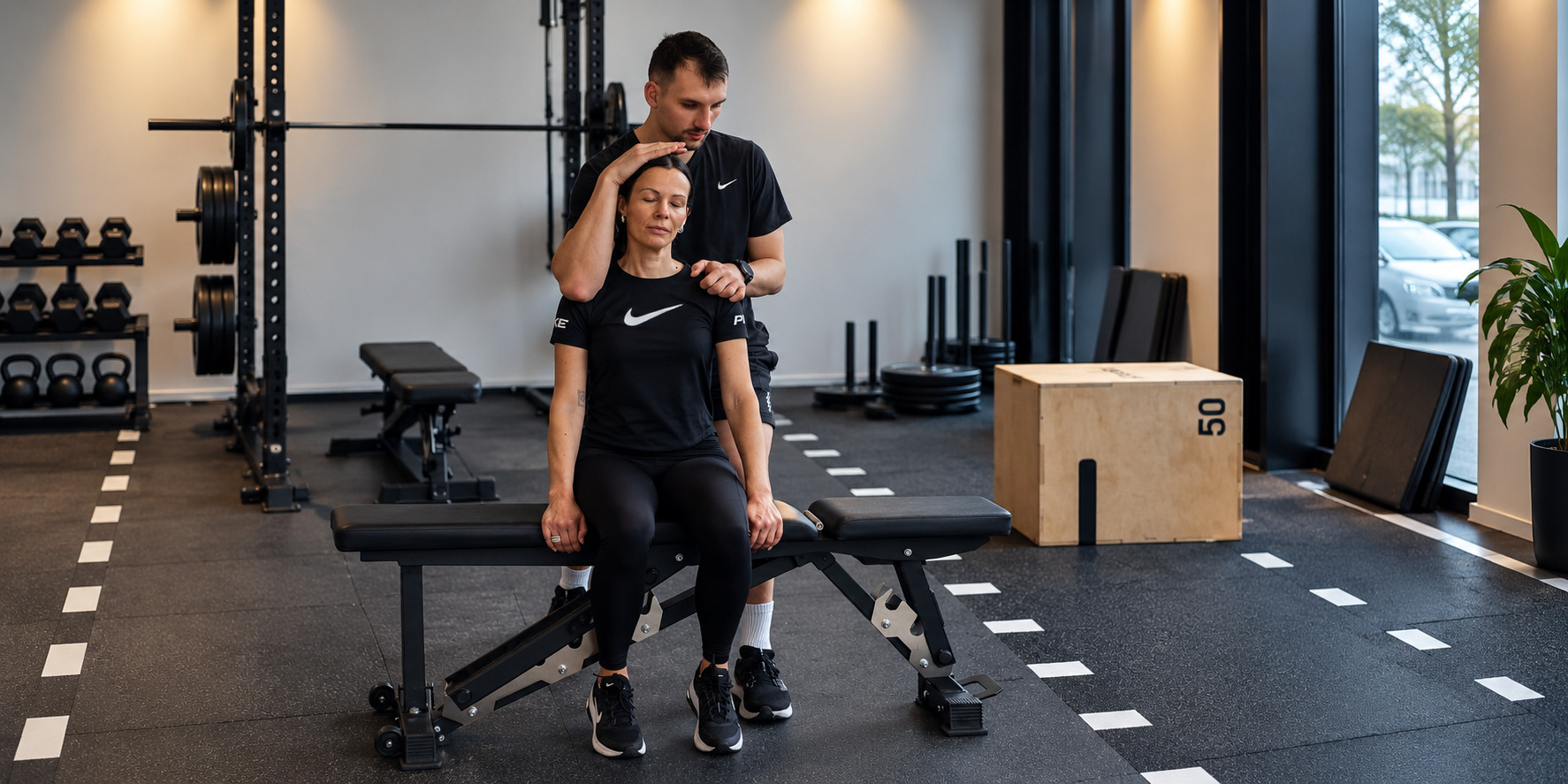
- manual therapy and mobilisation of the neck and upper back
- active exercises for the deep neck muscles, shoulder girdle and core
- advice on your workstation and home office
- strategies for breaks, sleep and stress
- a gradual return to sport and full load
The aim is a neck that hurts less and copes better with the next busy week.
Physiotherapy for Neck Pain in Zurich at Quantum Physio
At Quantum Physio in Zurich Altstetten, we treat acute and chronic neck pain with an active, clearly structured approach. Our team of BSc- and MSc-qualified physiotherapists and sports therapists looks at your symptoms in the context of your job, daily life, sport and stress.
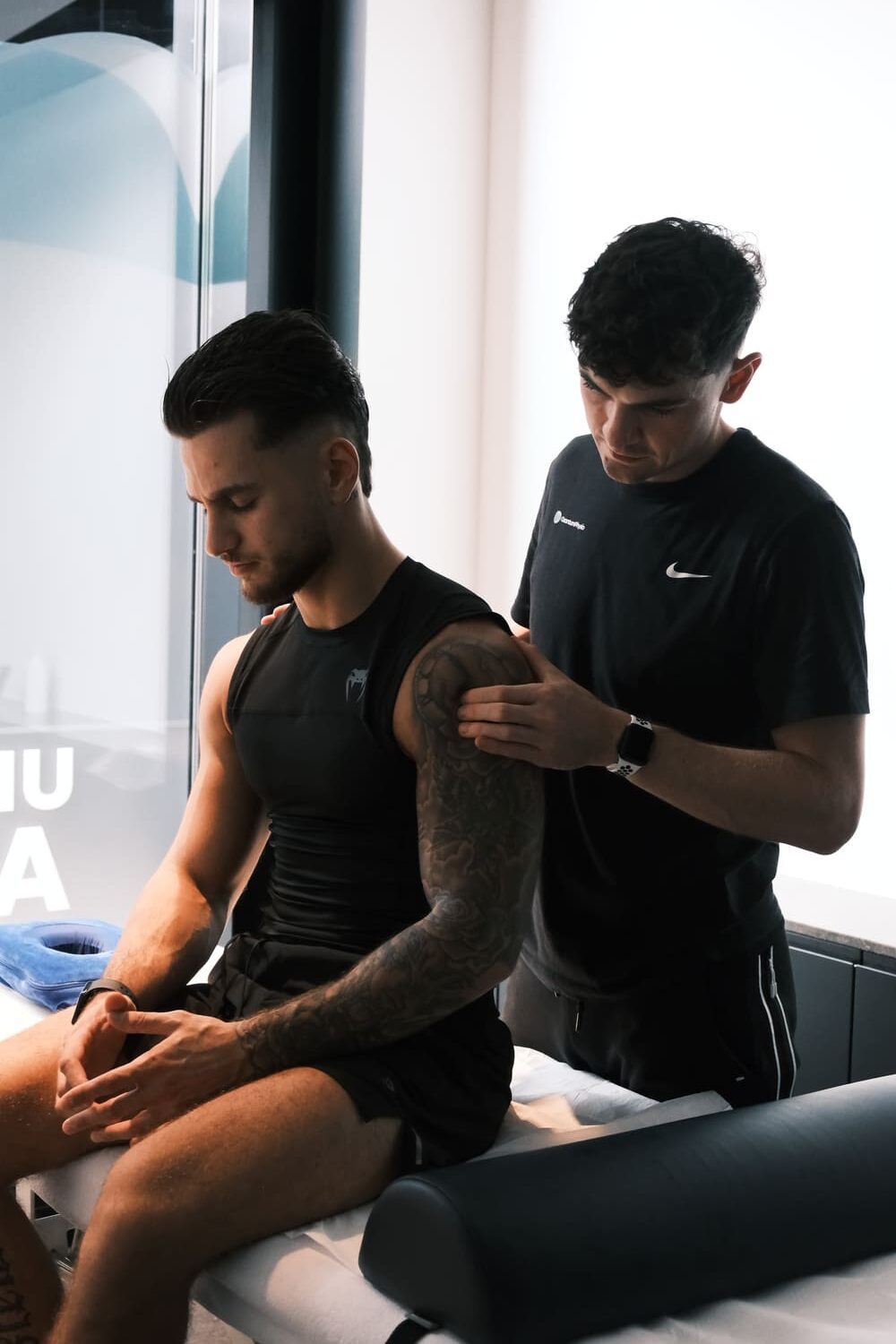
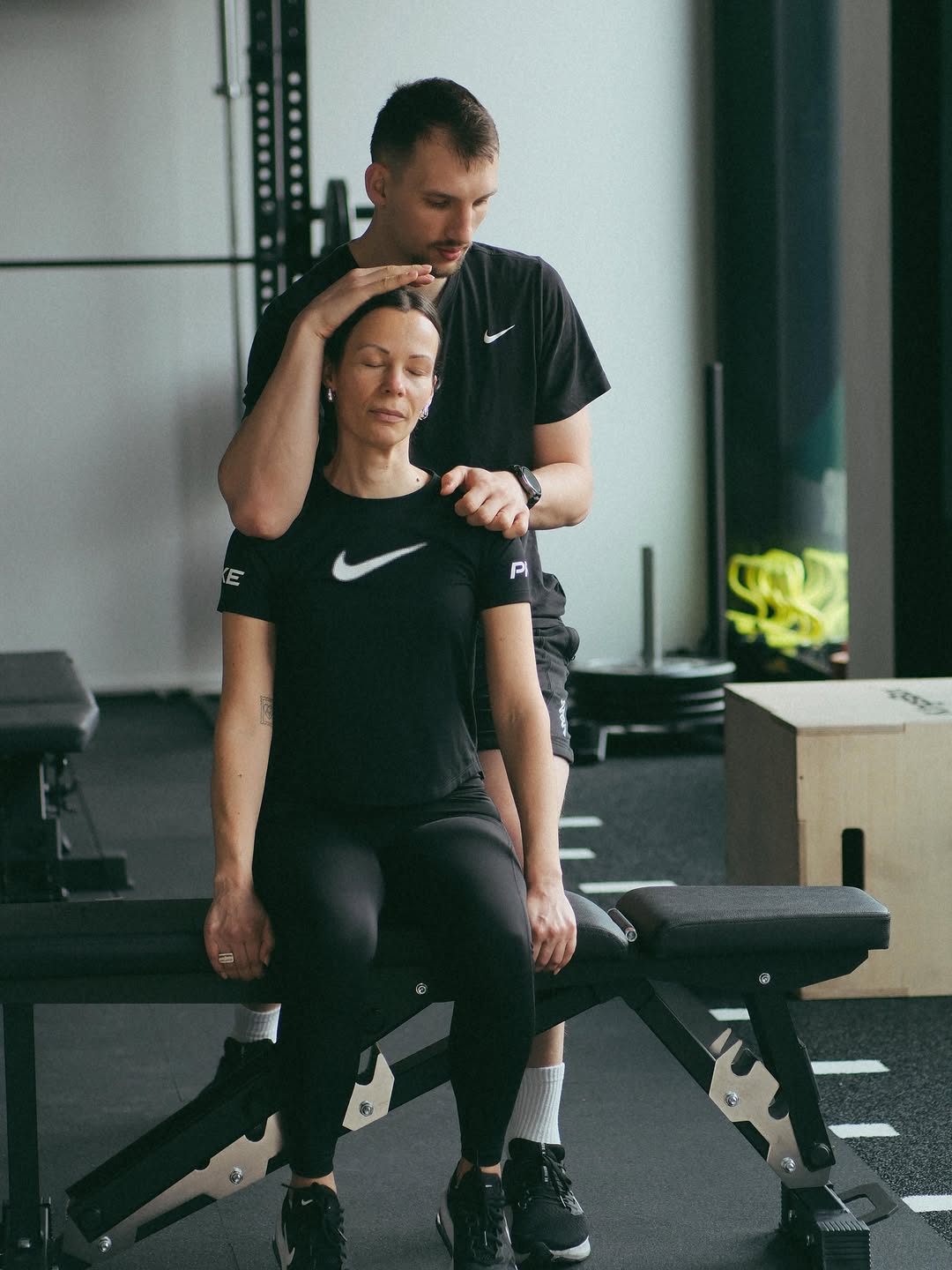
In the first session, we want to understand why your neck is being overloaded. Manual techniques then ease pain and free up movement, often within the first few sessions. To make that last, we build up the strength, endurance and control of your neck and shoulder muscles at the same time.
English-Speaking Physiotherapy in Zurich
Many of our patients are expats who live and work in Zurich. Our physiotherapists treat in English and German, and we are happy to explain how Swiss health insurance covers physiotherapy if the system is new to you.
New to Zurich and no family doctor yet? You can start straight away as a self-payer, or first see a GP, a walk-in practice or a chiropractor, since all of them can prescribe physiotherapy so that basic insurance pays. With international or expat health insurance, check whether your policy covers physiotherapy and needs a prescription.
Treatment Options
Depending on the cause, we combine:
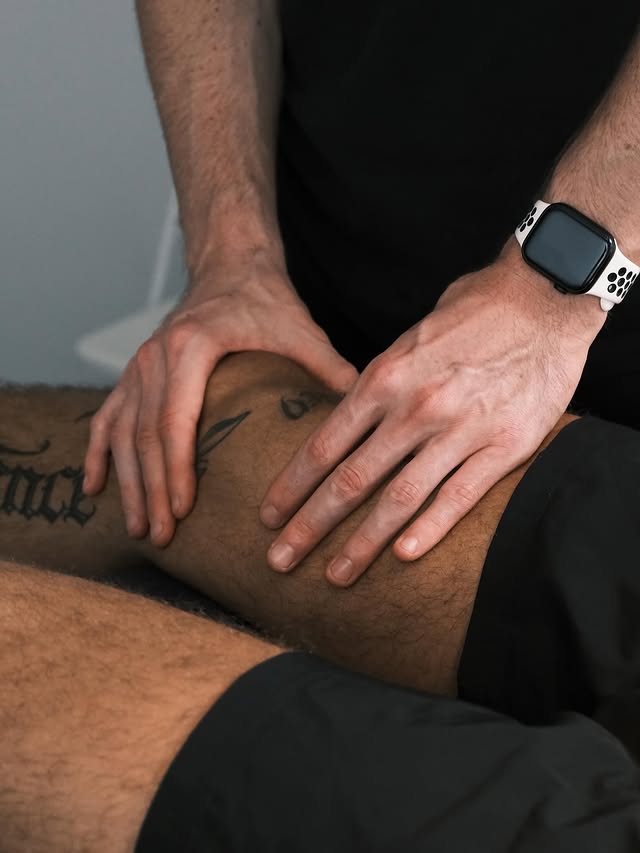
- manual therapy and mobilisation of the neck and upper back
- medical training therapy (MTT)
- dry needling for muscle trigger points
- jaw physiotherapy for TMJ problems and teeth grinding
- osteopathic treatment
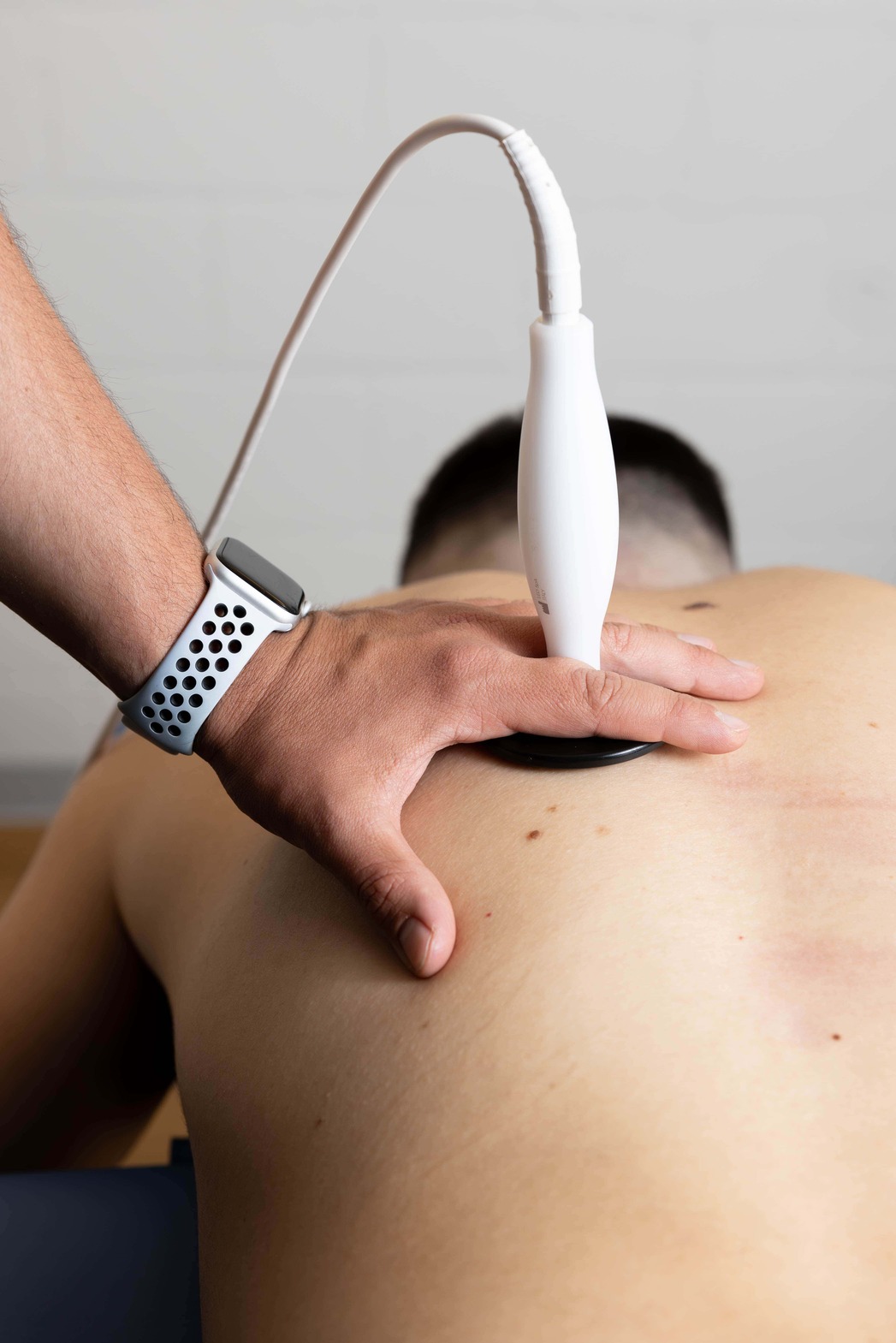
- TECAR therapy
- electrotherapy
- sports physiotherapy
- mobility training
- posture and movement analysis, ergonomic advice
- a personal home exercise programme
Someone with neck pain from desk work needs a different plan from someone with a pinched nerve or a climber with pain after training.
Location and Opening Hours
You will find us at Vulkanstrasse 110a, 8048 Zurich, a few minutes’ walk from Zurich Altstetten station. Trams and buses stop nearby, and visitor parking is a short walk away. From Albisrieden, Höngg, Wipkingen, Schlieren or Dietikon it is a quick trip by S-Bahn, tram or bike. We are open Monday to Thursday from 07:00 to 20:00, Friday from 07:00 to 16:30 and Saturday from 08:00 to 14:30, so an appointment before work or on a Saturday morning is easy to fit in. Book your session online.
How Treatment Works
Treatment follows four steps, from the first assessment to full capacity in everyday life.
1. Thorough Assessment
We talk about your symptoms, how they developed, your workstation, sport, stress and previous injuries. Then we test mobility, strength, posture and, if needed, nerve function. This tells us the most likely cause and rules out warning signs.
2. Your Treatment Plan
The assessment becomes your personal plan. It may include manual techniques, dry needling, exercises, workstation tips and advice on sleep and sport. We adjust it as you progress.
3. Building Strength and Control
The most important part is active training for the deep neck muscles, shoulder blades, upper back and core. Your neck gains endurance and handles load better.
4. Back to Daily Life, Work and Sport
As pain and movement improve, we increase the load. Depending on your goal, that includes changes to your workstation, sport-specific exercises or a home programme to prevent relapses. The goal is a neck that copes with a full working week, a weekend bike ride or your next house move.
Neck Pain Exercises: 5 Simple Exercises for Home and Office
These exercises suit tension-related neck pain without an injury. Move slowly and within a pain-free range; a gentle stretch is fine. Stop if pain spreads into your arm, if you feel tingling, numbness or dizziness, and get it checked. After an accident or surgery, only start these exercises once your doctor has cleared you.
1. Chin Tuck
Goal: activate the deep neck muscles.
How to do it: Sit upright, shoulders relaxed, eyes straight ahead. Slowly glide your chin straight back, as if making a double chin. Your head doesn’t tip down. You should feel a light stretch where the back of your head meets your neck.
Dosage: hold for 5 seconds, 10 repetitions, 2–3 times a day.
2. Slow Head Turns
Goal: keep your neck moving.
How to do it: Sit upright with a slight chin tuck as in exercise 1. Slowly turn your head to the right as far as is comfortable, like checking over your shoulder. Return to the centre and repeat to the left.
Dosage: 10 times each side, ideally every hour during screen work.
3. Shoulder Blade Squeeze
Goal: strengthen the shoulder blade muscles and take load off the neck.
How to do it: Sit or stand upright with your arms hanging loosely. Gently draw your shoulder blades back and down, towards your back pockets. Keep your shoulders away from your ears and your lower back neutral.
Dosage: hold for 5 seconds, 10–15 repetitions, twice a day.
4. Upper Back Extension Over a Chair
Goal: loosen the often stiff upper back, which takes strain off the neck.
How to do it: Sit on a sturdy chair with a backrest that reaches just below your shoulder blades. Interlace your hands behind your head, elbows pointing forward. Slowly lean back over the backrest, letting your head rest in your hands, then come back up.
Dosage: 8–10 repetitions, twice a day.
5. Side Neck Stretch
Goal: relax the upper neck and shoulder muscles.
How to do it: Sit upright and hold the side of the chair seat with your right hand. Slowly tilt your head towards your left shoulder until you feel a comfortable stretch on the right side of your neck. Keep your right shoulder down and don’t pull on your head with your hand. Then switch sides.
Dosage: hold for 20–30 seconds, 2–3 times each side.
It helps to tie the exercises to something you already do every day, such as your first coffee or your lunch break. In physiotherapy you get a programme that matches your cause and is progressed step by step, for example with strengthening in medical training therapy in Zurich.
Four Myths About Your Neck
“I sat in a draught.”
Cold air can make muscles tense up, and tight muscles feel worse in the cold. But a draught is rarely the real cause. Usually the neck was already tired or overloaded, and the cold air was just the final straw.
“My neck needs to be put back in place.”
The click you may hear during a manipulation comes from a gas bubble forming in the joint. No vertebra jumps back into place. Skilled mobilisation by a professional can give good short-term relief. Cracking your own neck, on the other hand, achieves nothing lasting.
“A new pillow will fix it.”
The right pillow helps. But if you sit rigidly at a screen for hours every day, you will wake up stiff even with the most expensive pillow.
“I should rest my neck.”
Usually the opposite is true. Gentle movement and well-dosed exercise are among the most effective things you can do. Keeping your neck still out of fear tends to make it stiffer and more sensitive.
Neck Pain Relief at Home: What You Can Do Yourself
For mild symptoms, movement is the best self-help. A few simple habits go a long way:
- stand up and change position every 30 to 45 minutes
- screen at eye level, and an external keyboard and mouse with your laptop
- don’t wedge the phone between ear and shoulder
- heat, such as a heat pack or a warm shower
- a daily walk, or cycling to work
- enough sleep
If the pain keeps coming back anyway, self-help is usually not enough. An assessment then makes sure your training matches the cause.
Common Mistakes That Make Your Neck More Sensitive
Many people wait too long or rest too much. Pain then becomes entrenched, and the neck gets more and more sensitive.
- relying only on painkillers, creams or massages
- working at a screen for hours without a break
- no strength training for the neck and shoulder girdle
- underestimating stress and lack of sleep
- ignoring numbness or weakness in the arm
What Physiotherapy Costs in Zurich and What Insurance Pays
With a doctor’s prescription, Swiss basic health insurance covers most of the cost of physiotherapy. You pay your deductible (franchise) and co-payment. For more details, see Physiotherapy in Zurich Altstetten: Treatment and Costs.
With a Medical Prescription
If physiotherapy is medically necessary and prescribed by a doctor, Swiss basic health insurance (KVG/LAMal) pays, minus your own share. That share is your annual deductible, known as the franchise (CHF 300 to CHF 2,500 for adults, depending on what you chose), plus a 10% co-payment capped at CHF 700 a year.
One prescription covers up to nine sessions, and the first session has to take place within five weeks. If you need more, your doctor issues a new prescription. If you are employed and have an accident, for example whiplash, your employer’s accident insurance (UVG) usually pays, with no deductible or co-payment. If you are not employed, accidents are covered by your health insurance, so the deductible and co-payment apply.
Without a Medical Prescription
You can also come to us without a prescription. Basic insurance won’t pay in that case. You cover the cost yourself, or your supplementary insurance may contribute depending on your policy.
This can make sense if you want to start early or prevent recurring neck pain.
Training, Rehabilitation and Prevention Programmes
Medical training therapy, personal training or prevention programmes may be billed separately depending on the situation. They are a good fit if you want to build long-term resilience or prevent relapses.
Frequently Asked Questions About Neck Pain
What helps neck pain quickly?
Gentle movement, heat, frequent changes of position and short breaks from screen work. Complete rest is usually not a good idea. If nothing improves within one to two weeks, a physiotherapy assessment is worthwhile.
How do I get rid of a stiff neck?
A stiff neck usually improves within a few days. Keep moving your head gently within a comfortable range, use heat, and avoid holding one position for long. If it hasn’t eased after a week or keeps returning, manual therapy and targeted exercises can help.
How long does neck pain last?
Acute neck pain usually settles within a few days to a few weeks. If it lasts longer than three months, it is called chronic neck pain. A structured, active treatment plan is especially important then.
When should I see a physiotherapist for neck pain?
If the pain lasts longer than one to two weeks, keeps coming back, limits your movement, comes with headaches or dizziness, or spreads into the shoulder and arm.
Do I need an X-ray or MRI for neck pain?
Usually not. Without warning signs, a conversation and a physical examination are enough. Imaging makes sense after significant accidents, with neurological symptoms such as weakness, with warning signs, or if pain does not improve over several weeks despite treatment.
Can neck pain cause headaches?
Yes. The upper neck can trigger headaches that usually start at the back of the head and spread towards the forehead or eye. Physiotherapy can specifically help with these cervicogenic headaches.
Can neck pain cause dizziness?
Yes, the neck can cause unsteadiness or light-headedness. Dizziness has many possible causes, though, so always have it checked by a doctor. Sudden severe dizziness with problems in vision, speech or swallowing is an emergency (call 144 in Switzerland).
Which exercises help with neck pain?
Chin tucks, slow head turns, shoulder blade squeezes, upper back extension over a chair and a gentle side neck stretch. Which ones suit you best depends on the cause of your pain.
Is heat or ice better for neck pain?
For muscle tension, most people find heat more soothing because it relaxes the muscles. After a fresh injury, cooling may feel better for a short time. Use whatever makes it easier for you to move.
Physiotherapist, chiropractor or osteopath: who should I see for neck pain?
All three treat neck pain. Physiotherapy combines hands-on techniques with active training and is covered by basic insurance with a prescription from a doctor or chiropractor. Chiropractors in Switzerland are a university-trained medical profession you can see directly, and basic insurance pays minus your deductible and co-payment (on a family-doctor or telemedicine model, contact your GP or telemedicine service first). Osteopathy is usually billed through supplementary insurance. Whichever you choose, building strength and resilience is what counts in the long run.
What should I do about neck pain from desk work?
Put your screen at eye level, change position regularly and build in short movement breaks with simple exercises. If the pain keeps coming back, physiotherapy builds up the capacity of your neck and shoulder muscles in a targeted way.
When is neck pain dangerous?
See a doctor promptly after an accident, or if neck pain comes with numbness or weakness in the arms or hands, clumsy hands, an unsteady walk, unexplained weight loss or a history of cancer. Fever with a stiff neck and a severe headache, sudden severe dizziness, or problems with vision, speech or swallowing are an emergency: call 144.
Does Swiss health insurance cover physiotherapy for neck pain?
Yes, with a doctor’s prescription. Basic insurance covers up to nine sessions per prescription, minus your deductible and the 10% co-payment (capped at CHF 700 a year). Without a prescription, you pay yourself or your supplementary insurance may contribute.
Do I need a referral to see a physiotherapist in Switzerland?
For basic health insurance to pay, yes: you need a prescription from a doctor or chiropractor. Without one, you can still book physiotherapy and pay yourself, and some supplementary or international policies reimburse it. On a family-doctor or telemedicine insurance model, contact your GP or telemedicine service first.
Where can I find an English-speaking physiotherapist for neck pain in Zurich?
Quantum Physio at Vulkanstrasse 110a in Zurich Altstetten treats acute and chronic neck pain in English and German, with physiotherapy, manual therapy, dry needling, medical training therapy and jaw physiotherapy. Appointments are available early in the morning, in the evening and on Saturdays.