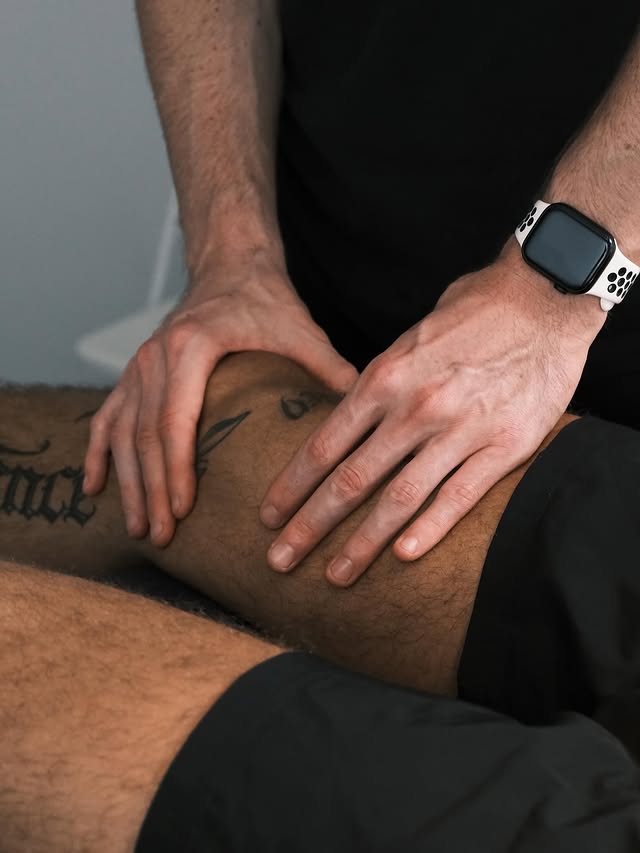
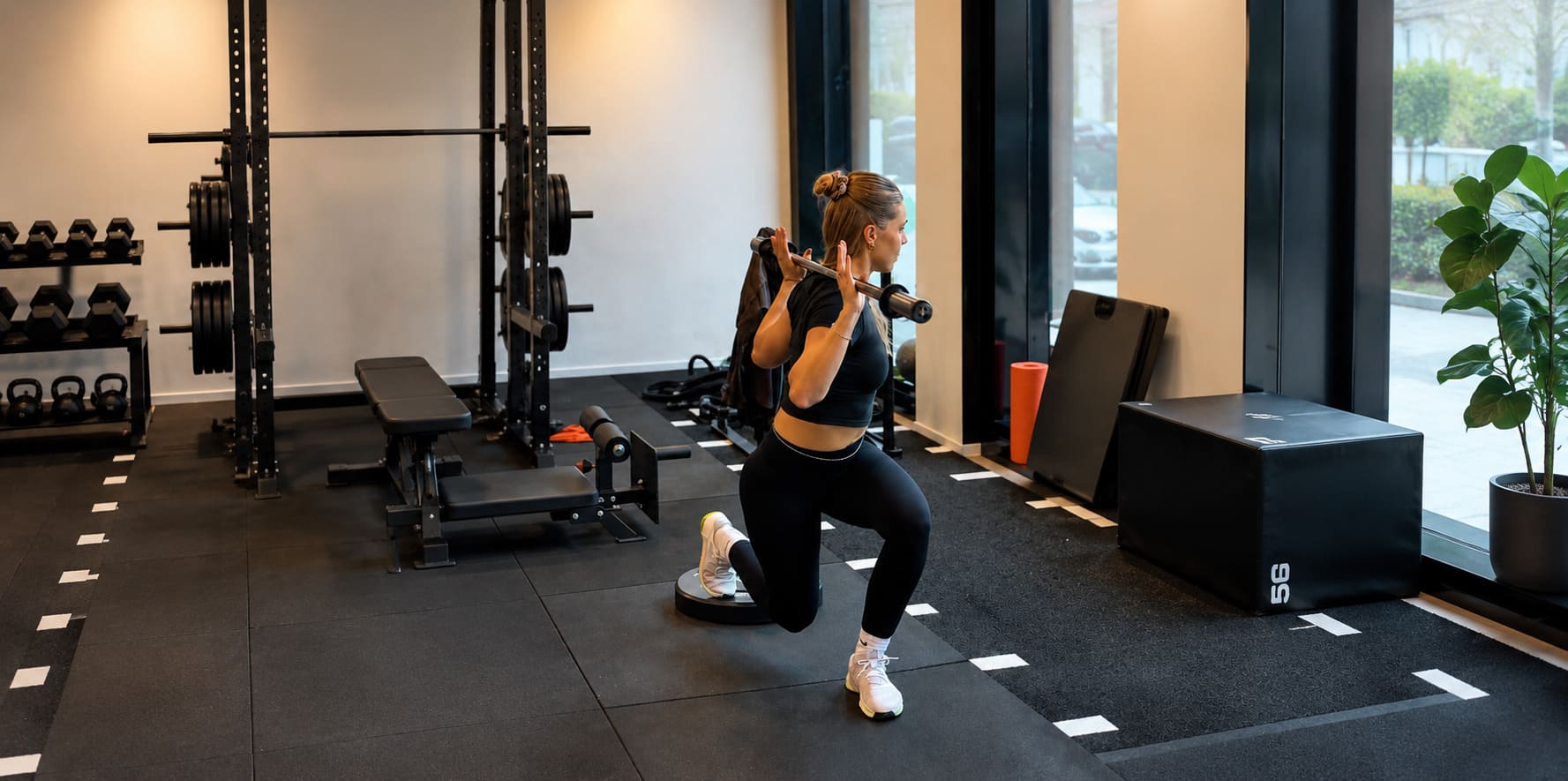
Medical Training Therapy (MTT) is a structured, therapeutically supervised training programme designed to improve strength, mobility, stability and physical resilience. It is commonly used after surgery or injury, for chronic conditions, in sport, and for prevention.
Unlike standard fitness training, MTT is based on an individual assessment, clearly defined goals and a systematic adjustment of training load. This allows the programme to be tailored to your current health status, physical condition and progress.
In this article, you’ll learn who Medical Training Therapy is suitable for, how it works, which conditions it can help with, and what to consider when choosing MTT in Zurich.
In short: Medical Training Therapy is particularly useful after an injury or surgery, for chronic conditions, for a safe return to sport, and for building strength and resilience over the long term.
What Is Medical Training Therapy (MTT)?
Medical Training Therapy is an active therapy concept that uses targeted strength, mobility and coordination exercises to treat or prevent functional problems of the musculoskeletal system. Unlike general fitness training, MTT is based on a prior assessment, a clear goal and close supervision by qualified physiotherapists.
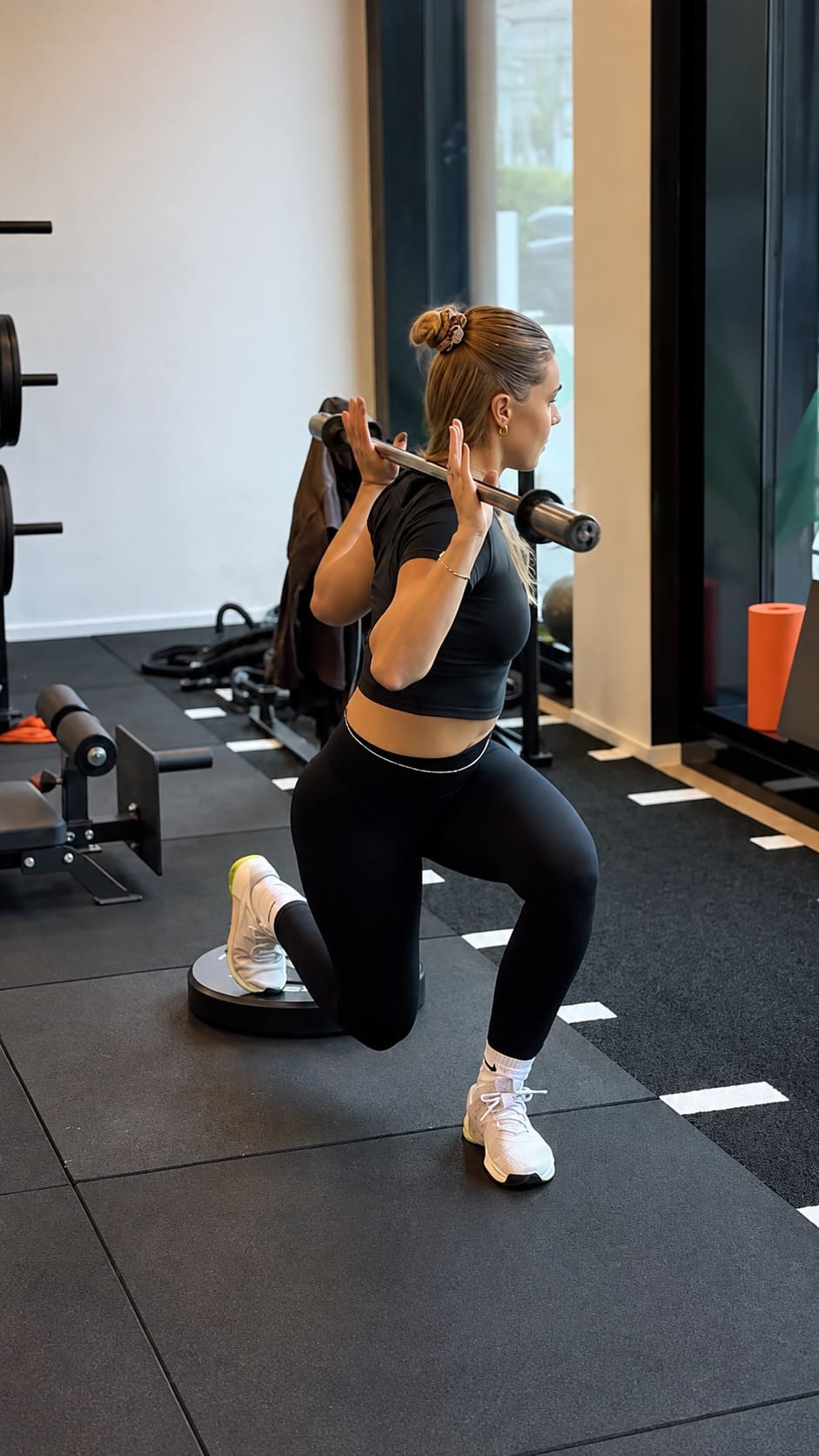
Training usually takes place on medical training equipment as well as with free exercises, added weights or functional movement patterns, with a load matched to your current level. Load, repetitions, resistance and exercise selection are regularly adjusted to your progress. This allows physical resilience to be improved in a controlled, step-by-step way.
MTT is commonly used for:
- rehabilitation after surgery or injury
- chronic back, neck or joint pain
- muscular deficits and load-related complaints
- osteoarthritis or degenerative joint changes
- improving sports performance and return-to-sport
- general strengthening after a period of inactivity
- rebuilding resilience after a prolonged period of pain or injury
- preventing injury and future complaints
Your Medical Training Therapy in Zurich Altstetten is tailored individually to your diagnosis, resilience and personal goals.
Who Is MTT Suitable For?
MTT is suitable for people of different ages and fitness levels. What matters is not your fitness level or training experience, but your individual starting point, resilience and personal therapy goal.
After Surgery or Injury
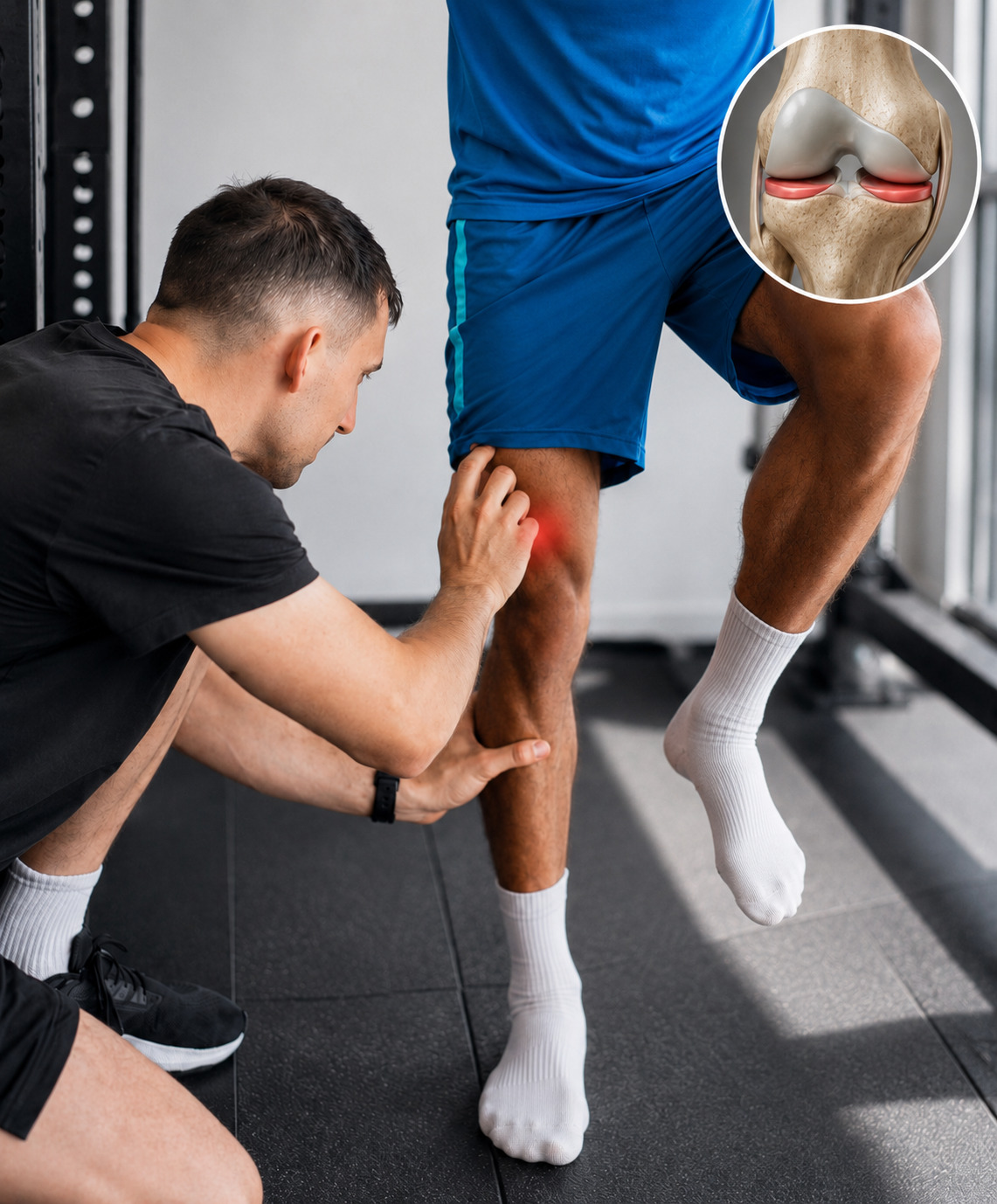
After procedures such as an ACL reconstruction, a meniscus surgery, hip or knee replacement, spinal surgery or shoulder surgery, a controlled and individually dosed increase in load is especially important. MTT helps to gradually rebuild strength, mobility and stability, and to safely guide the body back to everyday activity or sport.
For Chronic Back and Joint Pain
For many chronic musculoskeletal conditions, dosed active movement plays a central role. A targeted strength and load-building programme can help improve physical function and increase resilience in everyday life.
For Osteoarthritis or Joint Wear
Targeted strength training can improve the function of the surrounding muscles and support the resilience of the affected joint. An individually adjusted dosage that matches your symptoms, mobility and current capacity is essential.
For Athletes
In sport, MTT is often used to improve performance, prevent injury, or as part of a return-to-sport process after an injury. Targeted strength training improves stability, strength and movement control, and can help reduce the risk of re-injury.
For Reduced Activity or Prolonged Inactivity
If you’ve been less active for a while – due to illness, a desk job or a break from injury – MTT allows you to safely and gradually resume training. The structured build-up helps to rebuild strength and endurance gently.
For Older Adults
As we age, muscle strength, balance and bone density often decline. Targeted strength training can support muscle strength, balance and functional independence. The WHO physical activity recommendations explicitly advise older adults to do regular strength and balance training.
For Prevention
Even without acute symptoms, MTT can be useful – for example to address muscular deficits early or to make the body more resilient over the long term.
What Conditions Is MTT Used For?
While the previous section focuses on target groups, this section shows how the actual training content differs depending on the condition.
MTT for Back Pain
For back pain, the focus is usually on core strength, movement control and everyday load patterns – such as lifting, carrying, bending or prolonged sitting. Exercise selection is based on which movements are most demanding in your daily life or work.
MTT After Knee or Hip Surgery
Here, training usually follows a phased approach: from mobility and basic activation, through targeted strength training, to functional exercises such as stair climbing, single-leg standing or controlled load absorption.
MTT for Shoulder Complaints
For shoulder pain, tendon issues or injuries to the rotator cuff, the focus is often on strengthening the shoulder blade muscles, controlled movement guidance and a gradual build-up of overhead load.
MTT in Sport
In a sporting context, sport-specific movement patterns, explosive strength, reaction ability and load testing are additionally integrated, to create a solid foundation for return to sport or return to performance.
What Is the Difference Between MTT and Physiotherapy?
Physiotherapy covers a broad range of active and passive treatment methods. Medical Training Therapy is, above all, the active, training-focused part of rehabilitation.
While early therapy phases may focus on mobility, pain management or basic movement function, MTT typically becomes more important once the goal is to systematically build strength, resilience and functional performance.
In practice, physiotherapy and MTT therefore often flow into one another.
MTT or Personal Training – What’s the Difference?
The key difference lies in your starting point and goal. MTT is typically aimed at people with complaints, after an injury or surgery, and is based on a therapeutic assessment and a medically guided approach to building load.
Personal training, on the other hand, is usually more focused on general fitness, strength, body composition or athletic performance. Depending on your goal, the two approaches can flow into one another – for example after completing a rehabilitation programme.
When Is the Right Time for MTT?
Besides the question of who MTT is generally suitable for, the question of timing often comes up too. The following signs often indicate that starting or switching to MTT makes sense:
- the acute pain phase has settled, but resilience is still limited
- you have medical or physiotherapeutic clearance to build up load
- your current physiotherapy is increasingly shifting towards active training rather than passive measures
- progress with your current exercises has plateaued and more load would be possible
- you want to keep building strength and resilience in a structured way after completing rehab
- a targeted build-up makes sense ahead of a planned return to sport or physically demanding everyday activity
If in doubt, a short initial consultation is a good way to clarify the right time and starting point for your situation.
How Does Medical Training Therapy Work?
MTT is more than just strength training. The process follows a clear structure, so that training is safe, effective and tailored to your individual situation.
1. Assessment and Examination
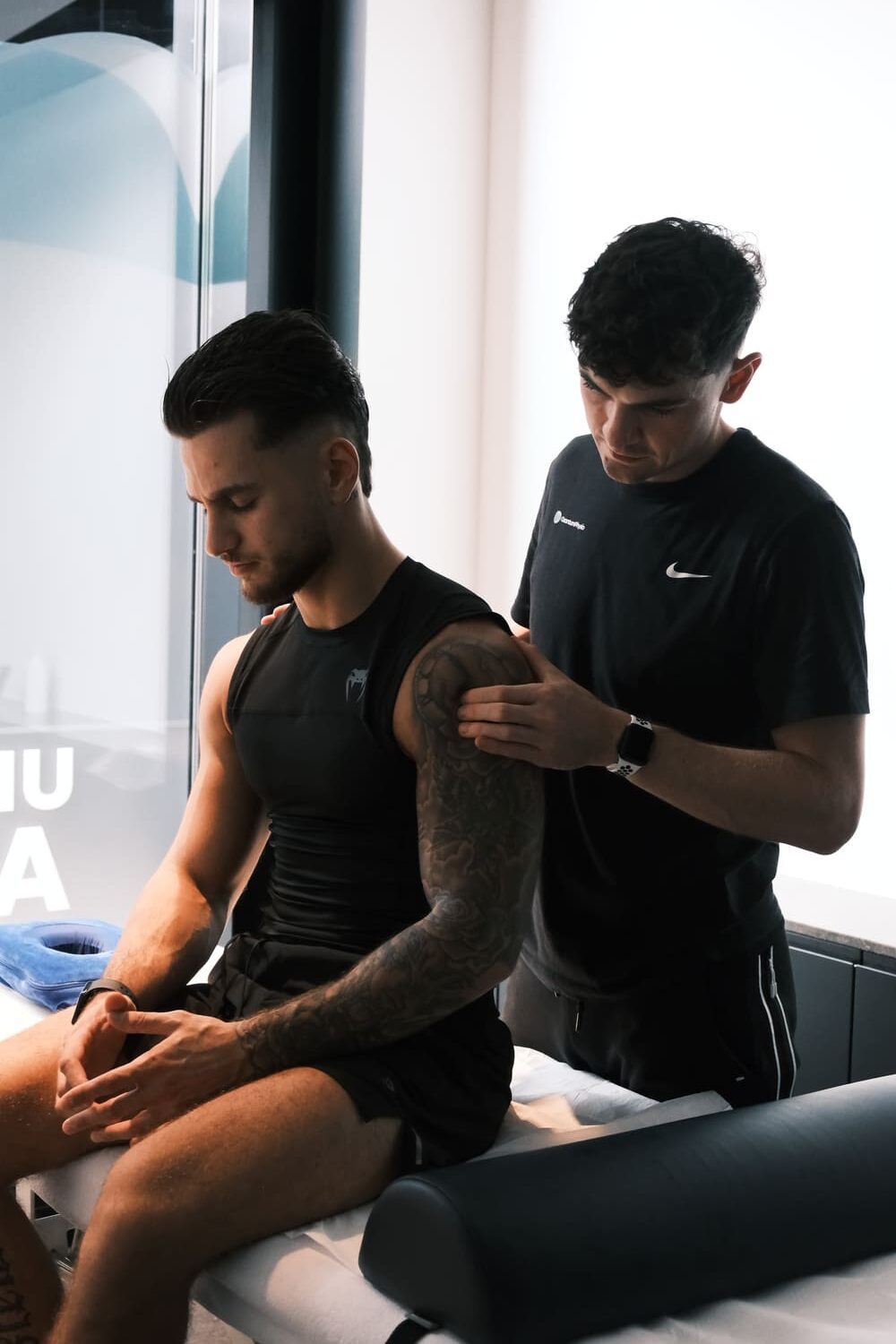
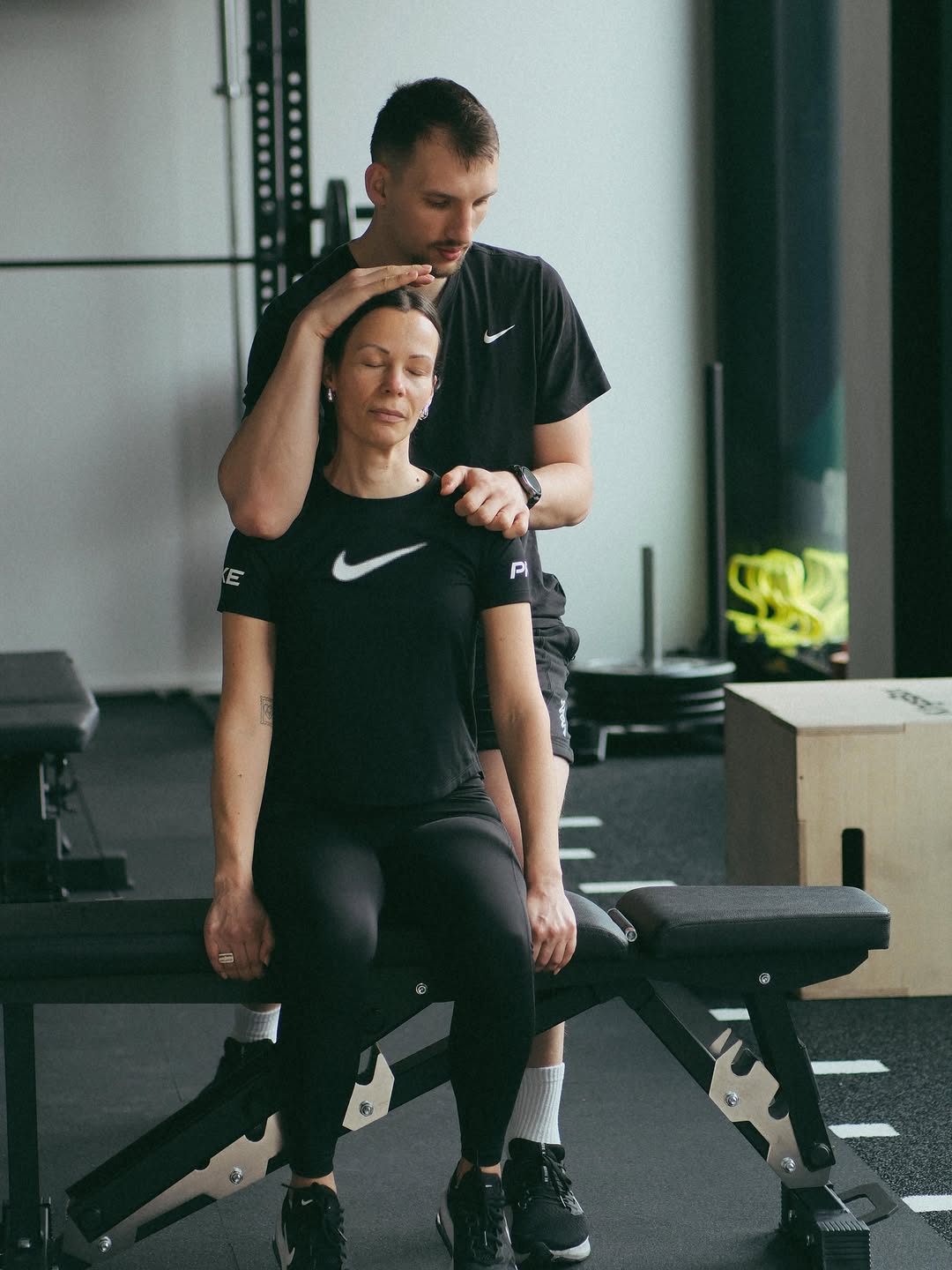
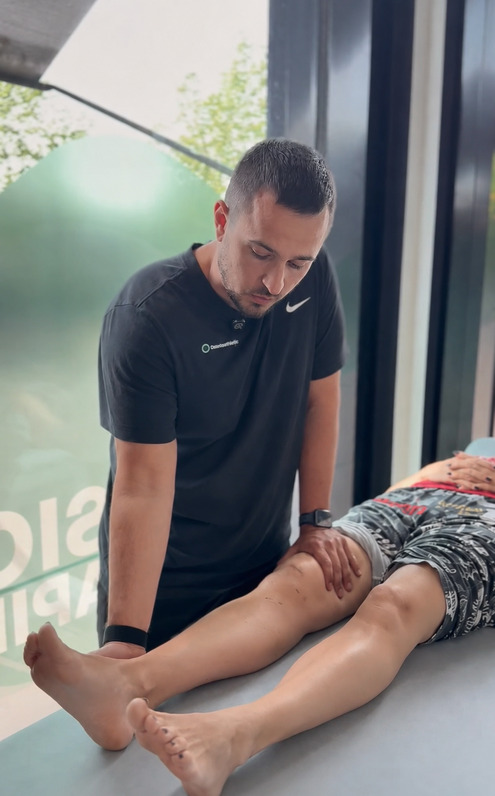
At the start, your symptoms, history, resilience and personal goals are discussed. This is complemented by an assessment of strength, mobility and movement patterns.
2. Goal Setting and Training Planning
Based on the assessment, a personal training plan is created, matching exercises, load and equipment use to your current situation.
3. Supervised Training
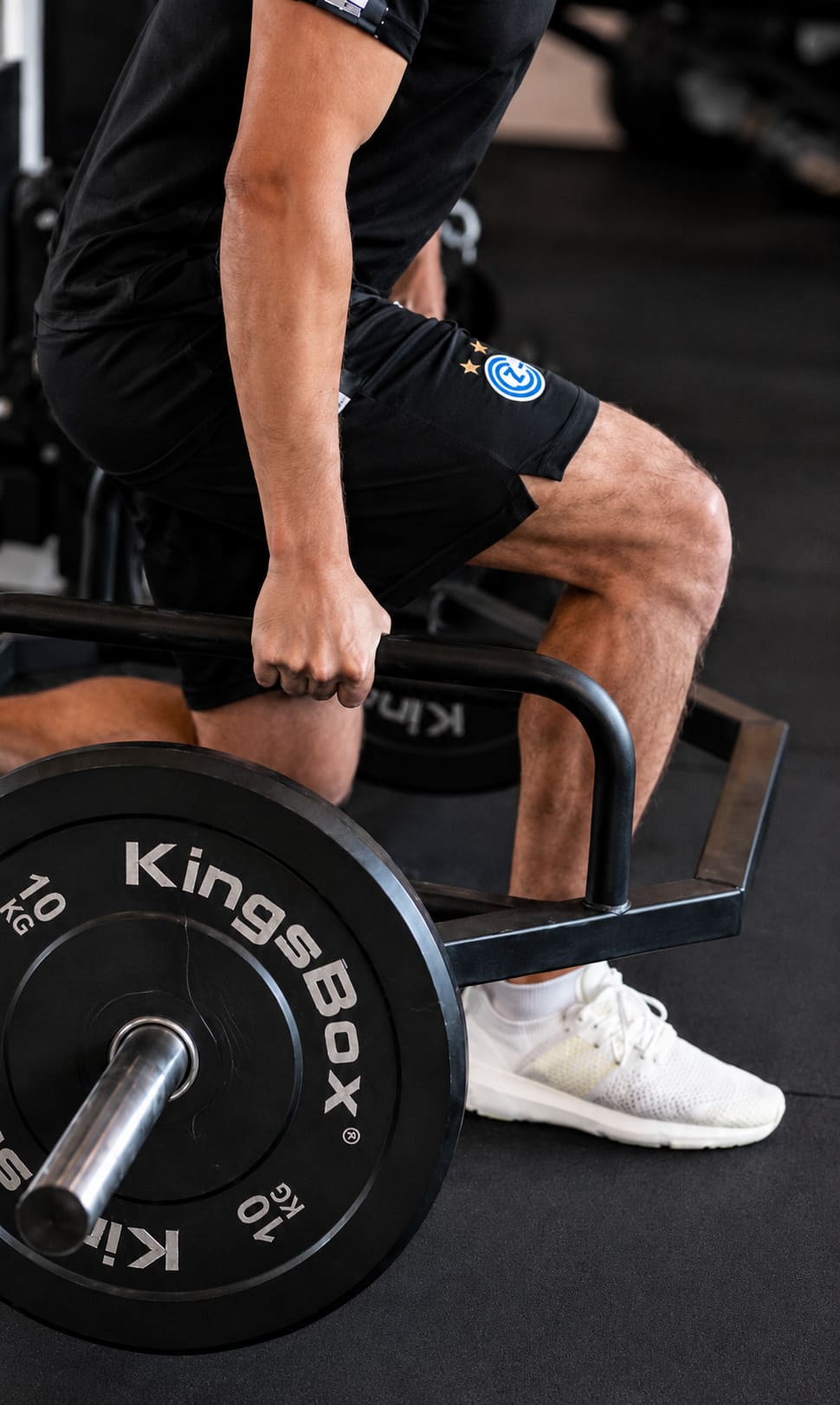
Training takes place under professional guidance on medical training equipment as well as with functional exercises. Technique and load are monitored continuously.
4. Progression and Monitoring
As strength and resilience increase, training is gradually intensified. Regular progress checks show whether the training plan and load need to be adjusted.
Medical Training Therapy in Zurich at Quantum Physio
At Quantum Physio in Zurich Altstetten, Medical Training Therapy is planned based on your individual starting point, symptoms and personal goal.
Depending on your situation, the focus may be on rehabilitation after surgery, building up with chronic conditions, return to sport, or improving general physical resilience.
Possible Training Content at Quantum Physio
Depending on your starting point and goal, the following training elements can be combined:
- medical strength training
- functional training
- stability and coordination training
- mobility exercises
- load-building after injury or surgery
- return-to-sport training
- sport-specific strength and performance training
- regular progress checks
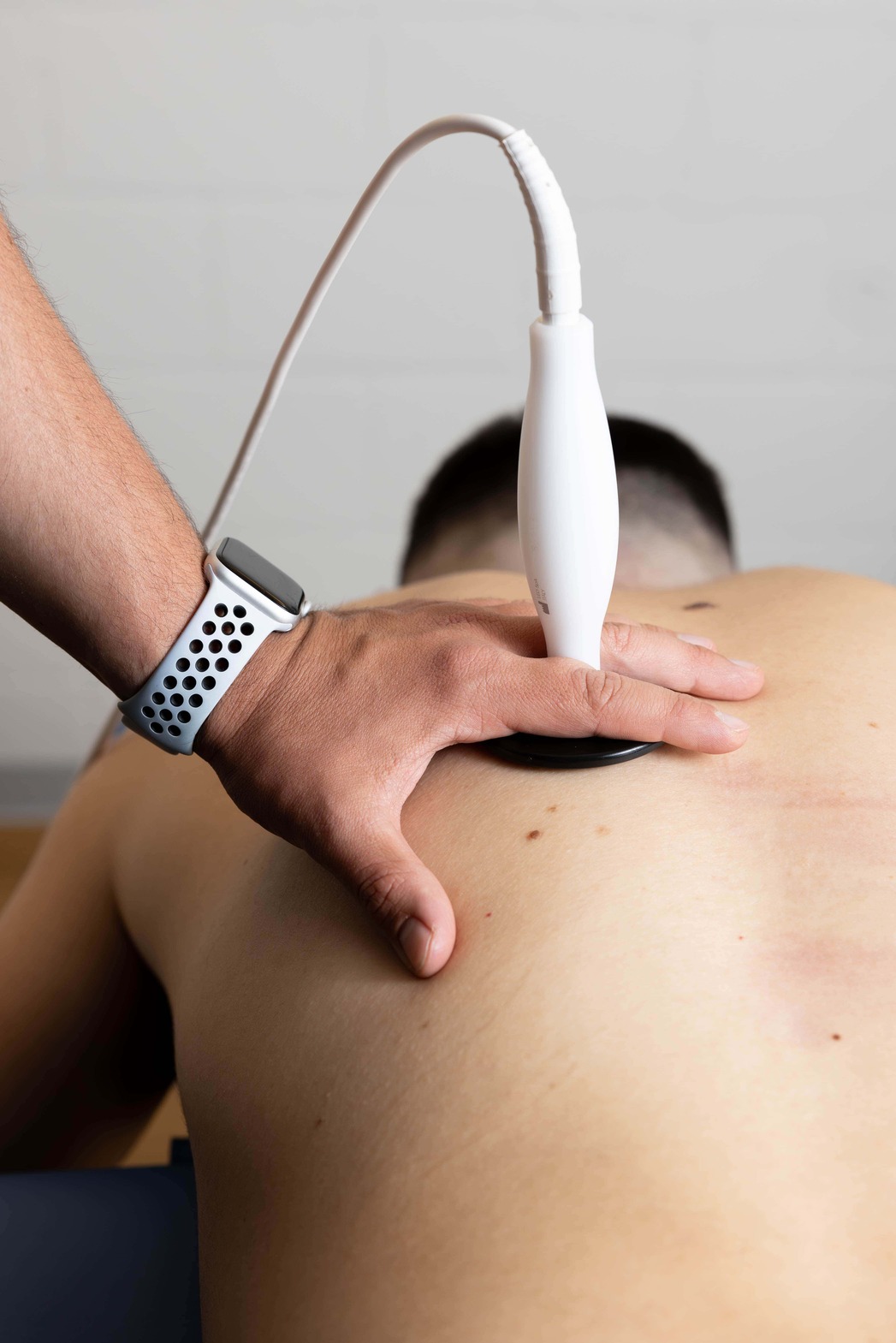
If needed, MTT can be combined with other physiotherapeutic measures, such as physiotherapy, sports physiotherapy, manual therapy or TECAR therapy.
The exact training plan is developed individually. Someone recovering from knee surgery needs a different build-up than someone with chronic back pain or a performance-focused athlete.
What Influences the Success of MTT?
The success of MTT doesn’t depend on the training sessions alone, but also on consistency between appointments.
Helpful habits include:
- attending training sessions regularly
- doing home exercises, if recommended
- setting realistic, step-by-step goals
- getting enough sleep and recovery
- progressing gradually instead of overloading in the short term
- communicating openly about pain or uncertainty
- patience, since building strength takes time
Common Mistakes in Medical Training Therapy
Certain habits can slow down progress or increase the risk of setbacks.
Common mistakes include:
- increasing load or weight too quickly
- attending training irregularly
- not reporting unfamiliar or increasing symptoms
- not adjusting the training plan as you progress
- stopping therapy too early once function hasn’t fully returned
- comparing your progress to other people’s
A structured, individually tailored build-up with realistic milestones works better.
Costs and Health Insurance for MTT in Zurich
Whether and to what extent the costs of Medical Training Therapy are covered depends, in Switzerland, on the specific treatment, whether you have a medical prescription, and your insurance model.
If MTT is carried out as part of a prescribed physiotherapy treatment, the relevant services can generally be billed through compulsory basic health insurance, provided the requirements are met. Your deductible (franchise) and co-payment still apply.
Training without a medical prescription, or programmes focused more on prevention, fitness or performance, are usually paid privately. Depending on your supplementary insurance, partial coverage may be possible.
If you’re unsure, it’s worth a quick check with the practice or your insurance provider.
If MTT is carried out as part of a prescribed physiotherapy treatment, the relevant services can generally be billed through compulsory basic health insurance, provided certain requirements are met. Your deductible and co-payment still apply.
This is particularly relevant after surgery, for chronic conditions, or when a medical diagnosis has been made.
MTT is also available without a medical prescription. In this case, costs are usually paid privately, or partially covered depending on your supplementary insurance.
This can be a good option if you want to train preventively, improve your performance, or start building up early.
Services such as advanced strength training, personal training or sport-specific performance programmes are usually billed separately and paid privately. These offerings are especially useful if the focus is on long-term development or improving athletic performance.
Frequently Asked Questions About Medical Training Therapy (MTT)
Who Is MTT Suitable For?
Medical Training Therapy is suitable for people recovering from surgery, dealing with chronic pain, active in sport, or looking for prevention – regardless of fitness level.
How Soon After Surgery Can I Start MTT?
The right timing depends on the type of procedure, your healing progress, current resilience and, where relevant, medical guidance. Your training build-up should therefore be planned individually.
How Often Should I Do MTT?
The ideal training frequency depends on your goal, resilience and rehab phase. Regular sessions over several weeks are often useful. The exact schedule is determined individually.
Is MTT the Same as Fitness Training?
No. MTT is based on a medical diagnosis and is guided and adjusted individually by qualified professionals, while general fitness training is usually more broadly focused.
Does MTT Help With Osteoarthritis?
Targeted strength and movement training can be helpful for many people with osteoarthritis, supporting function and resilience. Exercises should be adjusted to your symptoms and capacity.
Does Health Insurance Cover the Cost of MTT?
Cost coverage depends on the type of treatment, whether you have a medical prescription, and your insurance model. With prescribed physiotherapy treatment, relevant services can, under certain conditions, be billed through basic health insurance.
How Long Does MTT Treatment Take?
Duration varies depending on your starting point and goal. Many programmes run over several weeks to months, with regular progress checks.
Can I Do MTT Without Any Symptoms?
Yes, MTT is also useful preventively – to address muscular deficits and make your body more resilient over the long term.
Is MTT Suitable for Older Adults Too?
Yes, targeted strength training can support muscle strength, balance and functional independence in older age.
Where Can I Find Medical Training Therapy in Zurich?
Quantum Physio in Zurich Altstetten offers individually supervised Medical Training Therapy for rehabilitation, chronic conditions, sport and prevention.
Is MTT Suitable Even Without Prior Strength Training Experience?
Yes, MTT is suitable regardless of your training background. Exercises and load are individually adjusted to your starting point and increased gradually – even without prior strength training experience.